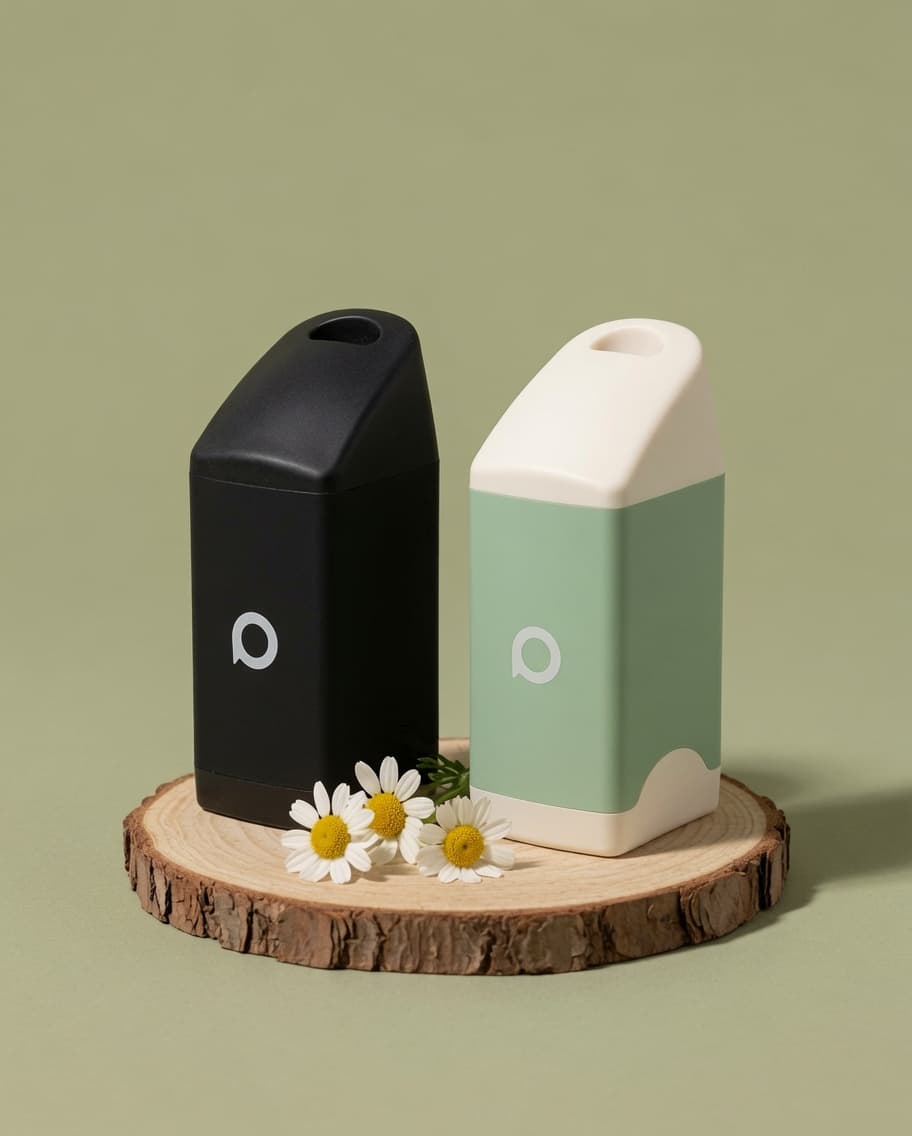
The best personal smoke filter is the one that fits your routine, maintains comfortable airflow, has available replacement filters, and supports its performance claims with specific evidence. A brand name alone does not answer those questions.
Start with the type of filter
Personal smoke filters generally fall into two groups.
Disposable filters
The filter and outer shell are replaced together. The first purchase can be simple, but the entire device becomes waste when the media is saturated.
Replaceable-cartridge filters
The mouthpiece or outer shell remains in use while the internal cartridge is replaced. This usually makes replacement timing and ongoing cost more visible.
Neither format is automatically better. Compare total cost, availability, materials, and how often you expect to use it.
Seven comparison criteria
1. Airflow
A smoke filter should support a steady exhale. Excessive resistance often becomes worse as moisture and captured material accumulate. Look for a product designed around airflow, not only maximum media density.
2. Odor and visible output
Ask what the device is intended to reduce. Particulate filtration and odor control are related but different jobs. Activated carbon is commonly used for odor-producing compounds, while particulate layers capture material carried in the exhale.
3. Replacement system
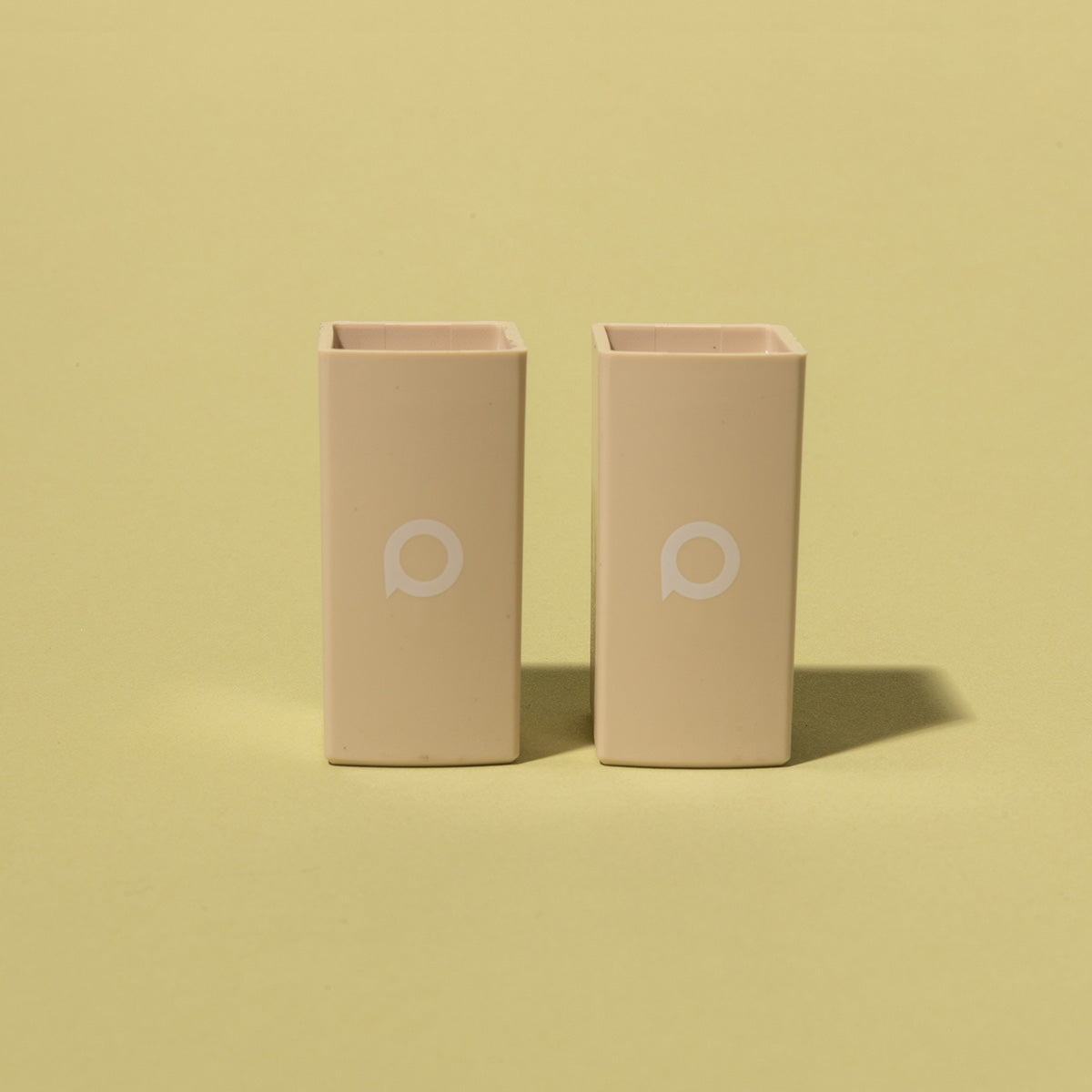
Confirm the cost of refills, the number included, and whether cartridges work across colors or device versions. Check stock before committing to a proprietary system.
4. Portability
Measure the product against where it will live. A home-only filter can be larger. A travel filter needs a secure, clean way to fit in a pocket or bag.
5. Materials and disposal
Words such as eco-friendly are too broad on their own. Look for exact materials, which part is reusable, which part is disposable, and what disposal method the manufacturer recommends.
6. Test language
Useful evidence identifies the tested product, particle size, method, and result. A test result does not mean all smoke or aerosol becomes harmless. It also does not cover material that never passes through the device.
7. Availability and support
Replacement guidance, warranty information, and responsive support matter. A filter is a repeat-use product, not a one-time novelty.
Disposable filters vs replaceable-cartridge filters
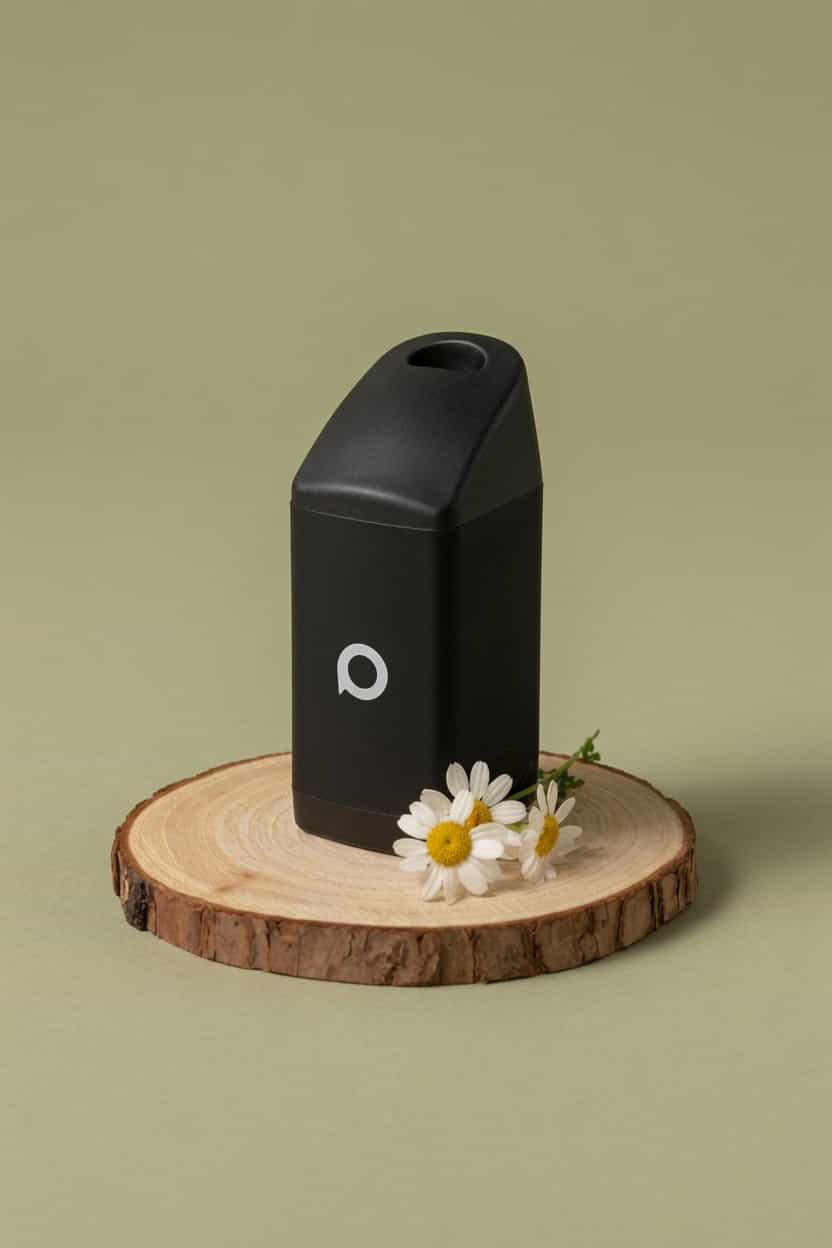
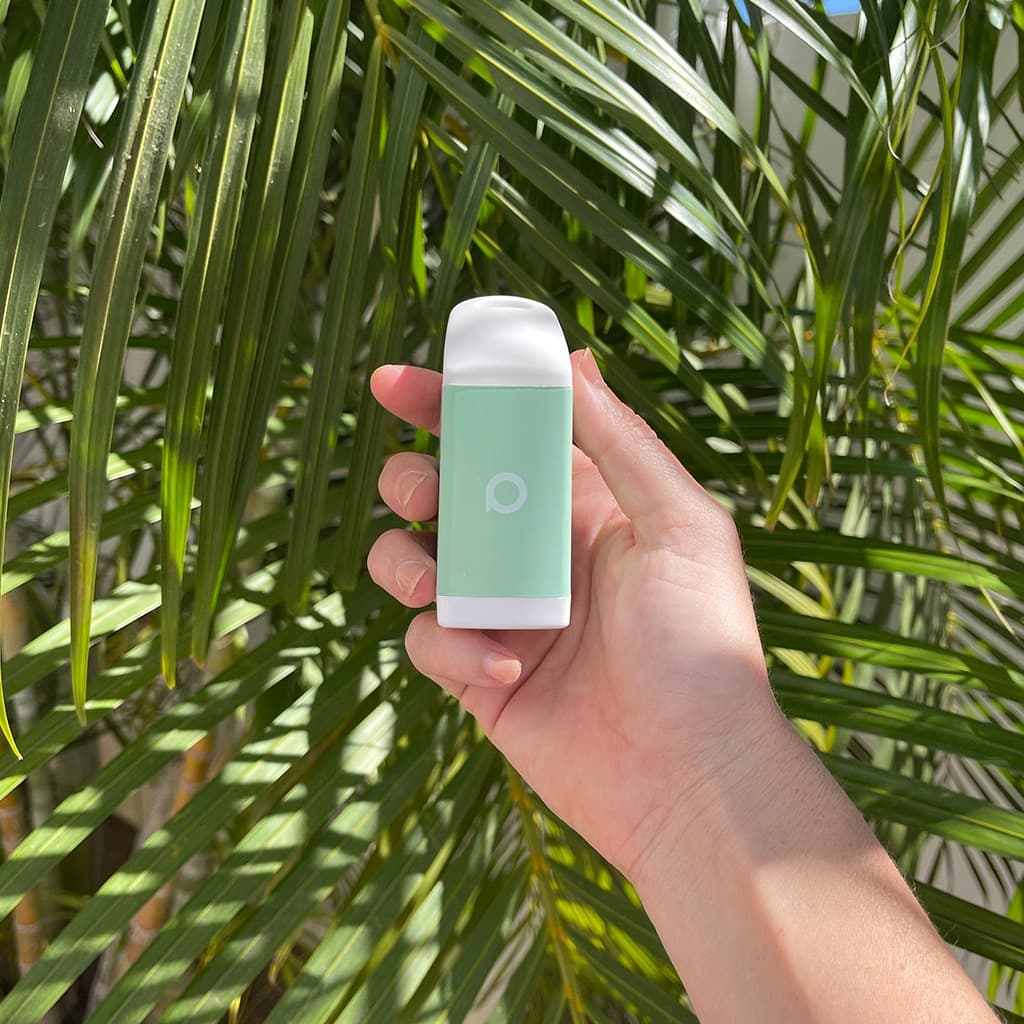
Most personal smoke filters on the market are fully disposable: when the filter media is spent, the whole unit goes in the trash. PHILTER uses a replaceable-filter approach instead, with PHREND positioned as the everyday reusable device and POCKET as the smaller carry format. You keep the device and swap only the biodegradable cartridge, which lowers cost per exhale and cuts the waste each replacement creates.
Product lines and specifications change. Whatever you compare, compare current model against current model, not an old review against a new product.
Which PHILTER setup fits which buyer?
- Choose PHREND if you want a reusable outer device, replaceable filters, and a larger everyday format.
- Choose POCKET if compact size is the priority and the current model is available.
- Choose PHREND plus PHREND Refills if you want a device and replacement filters in one order.
- Choose PHREND Refills if you already own the device.
The bottom line
Do not buy a personal smoke filter based on a promise that it makes smoking safe or completely undetectable. Buy based on airflow, evidence, refill access, size, and the exact kind of waste the product creates.
For PHILTER, start with the full personal smoke filter lineup.