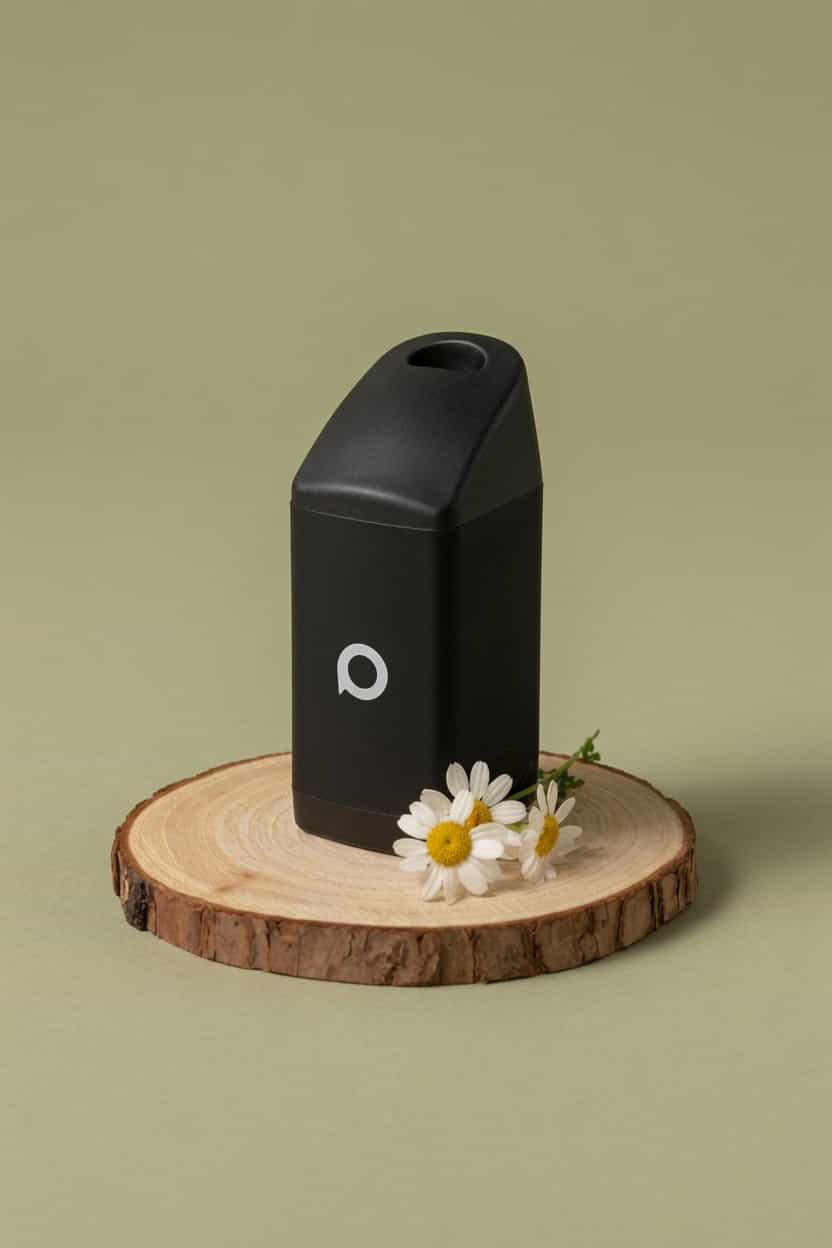
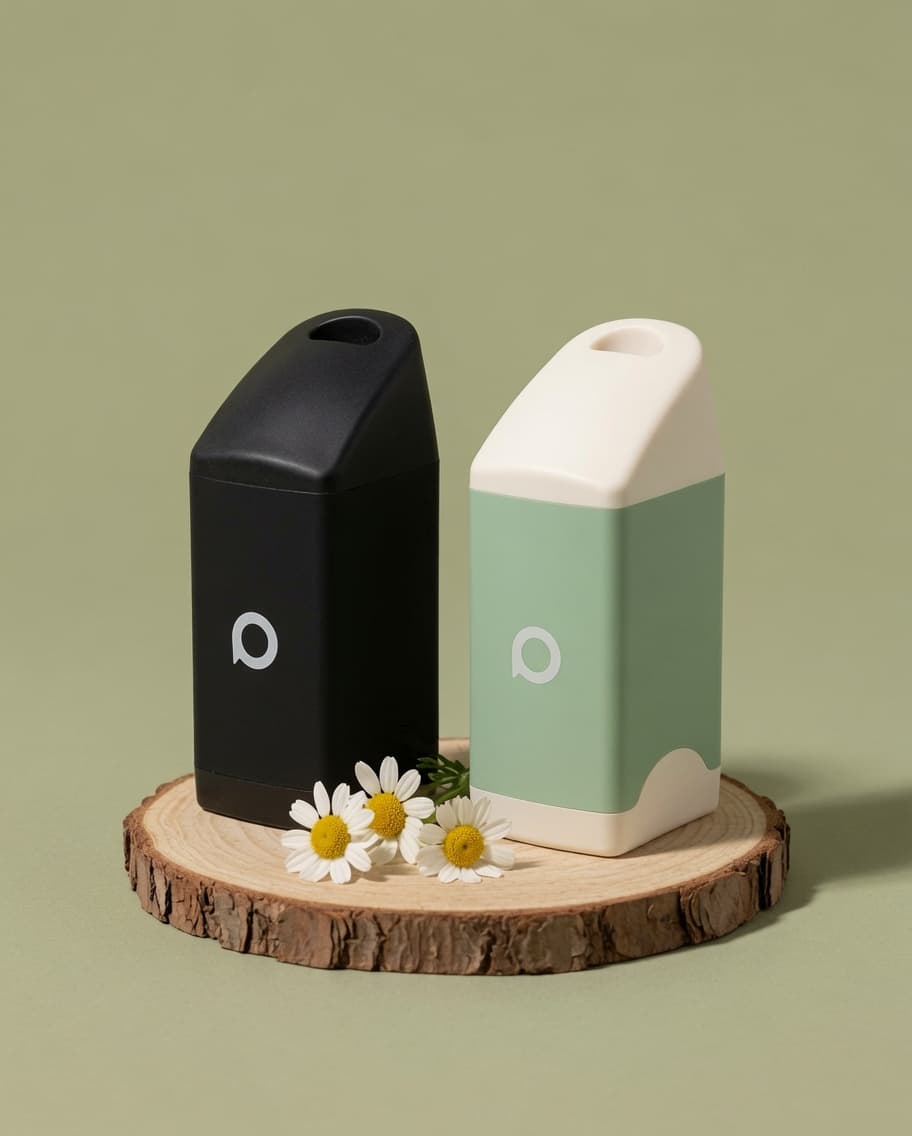
Secondhand smoke includes smoke released by a burning product and smoke breathed out by the person using it. An exhale filter can address part of the second source only: the air deliberately directed through the device.
Secondhand smoke is not one single source
For combustible products, smoke can enter a room from the lit end and from the exhale. The CDC states that there is no safe level of exposure to secondhand commercial tobacco smoke.
Cannabis smoke also contains potentially harmful substances. The EPA says that secondhand marijuana smoke can expose bystanders to potentially harmful substances and that more research is needed.
E-cigarettes produce aerosol rather than harmless water vapor. The CDC explains that bystanders can breathe in aerosol after it is exhaled.
What is thirdhand smoke?
Thirdhand smoke is residue that remains on surfaces, dust, clothing, upholstery, and other materials after smoke has cleared from the air. An exhale filter cannot remove residue that is already present.
What a personal smoke filter can do
A personal filter processes the exhale sent through it. Depending on its design and condition, it can reduce visible output, captured particles, and odor from that exhale.
This is source control. It happens before the exhale disperses into a room.
What a personal smoke filter cannot do
It cannot:
- Capture smoke rising directly from a lit product
- Process an exhale that misses the mouthpiece
- Remove contamination already on surfaces
- Clean all air in a room
- Make smoking or vaping harmless
- Override a smoke-free or vape-free policy
These limits are important. A filter should not be marketed as complete protection from secondhand exposure.
What about room air purifiers?
Room purifiers process air after material has entered the room. Performance depends on the filter, carbon capacity, room size, airflow, placement, and maintenance.
The EPA states that ventilation, filtration, and air cleaning can reduce substances from indoor marijuana smoking but are not likely to eliminate them. Keeping indoor spaces smoke-free is the stronger control.
A practical hierarchy
- Follow smoke-free and vape-free rules.
- Avoid use inside homes, vehicles, and enclosed shared spaces.
- Keep use away from doors, windows, and air intakes.
- Where use is legal and permitted, direct the complete exhale through a personal filter.
- Remove ash and waste and clean residue from surfaces.
- Maintain room filtration according to its instructions.
Where PHILTER fits
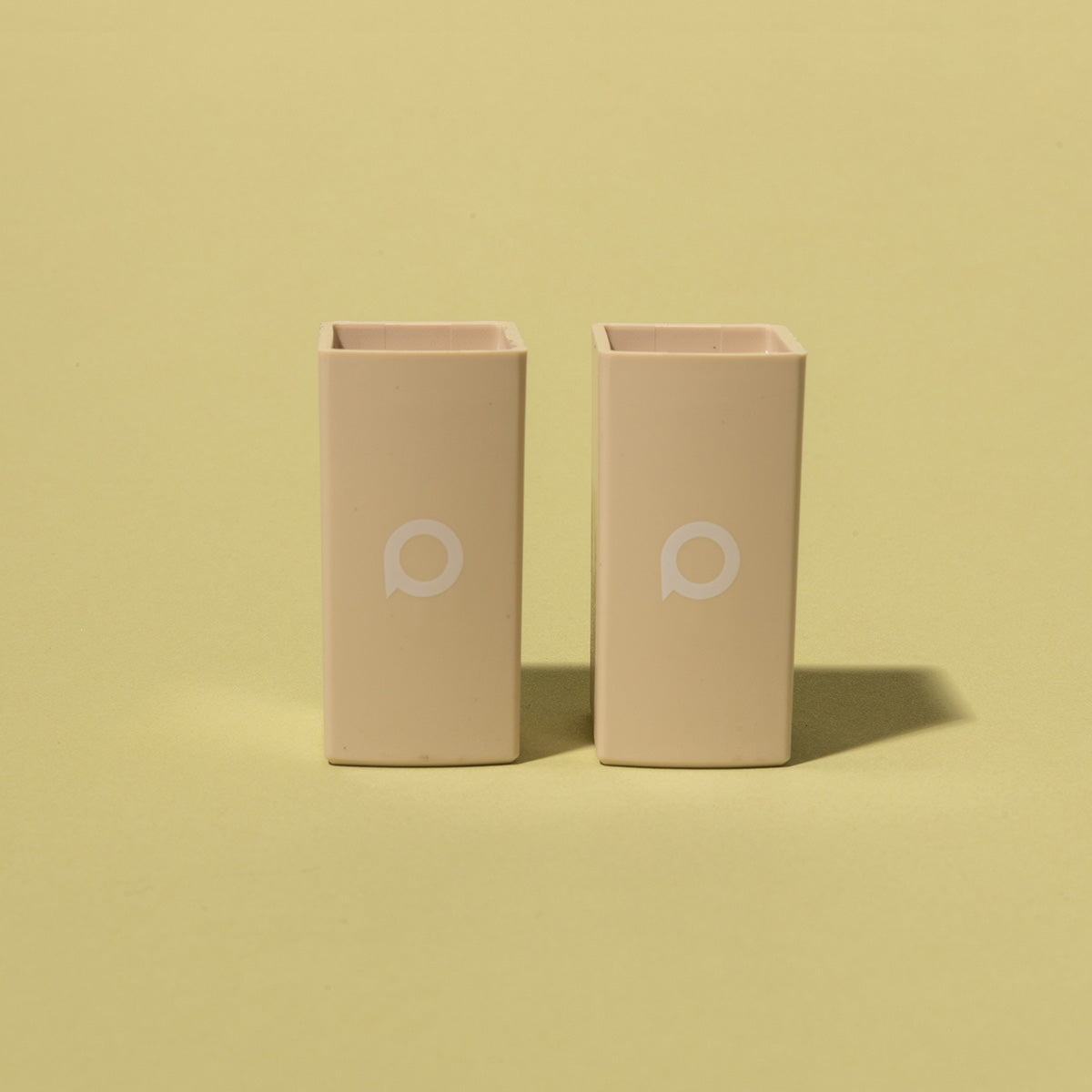
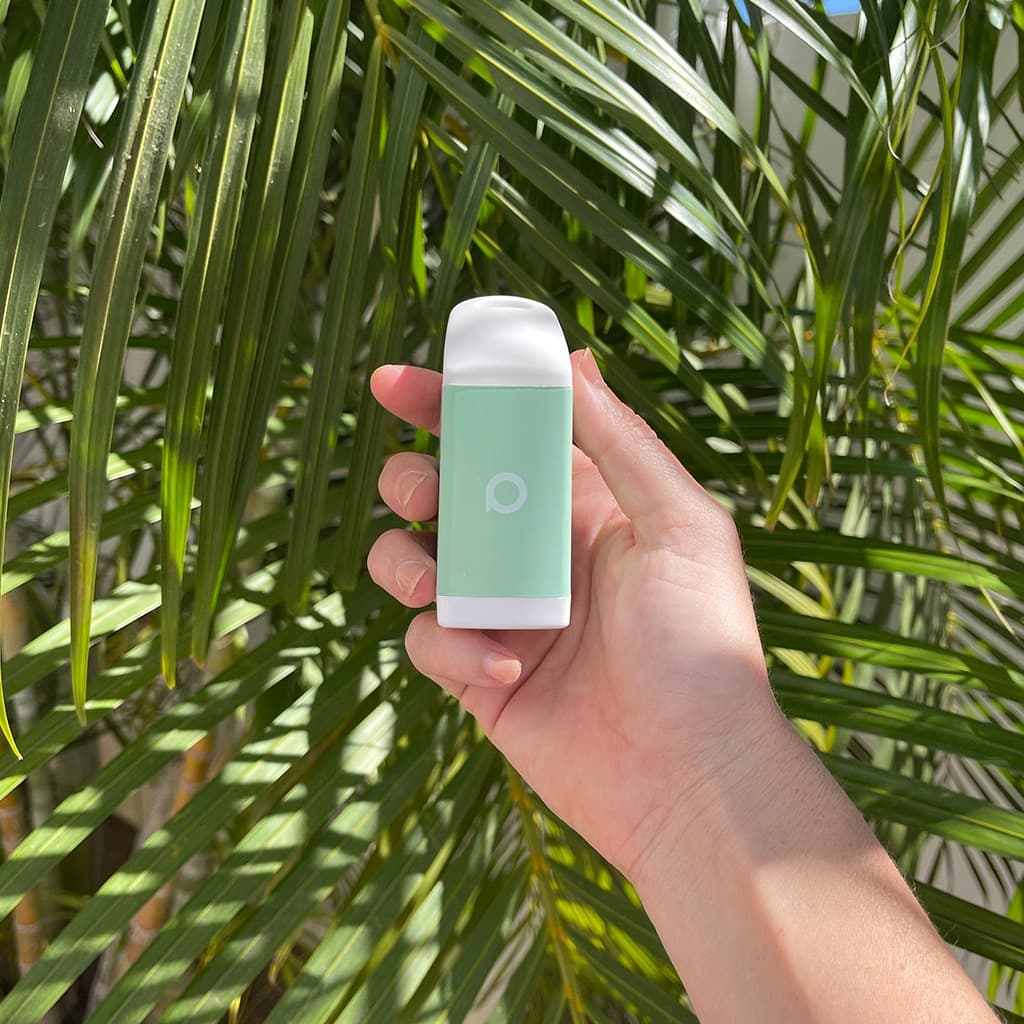
PHREND and POCKET are personal exhale filters. They are designed to reduce material in the air passed through them. They are not smoking devices, medical devices, respirators, or substitutes for a smoke-free environment.
The accurate promise is narrower and more useful: control the exhale you direct through the device.