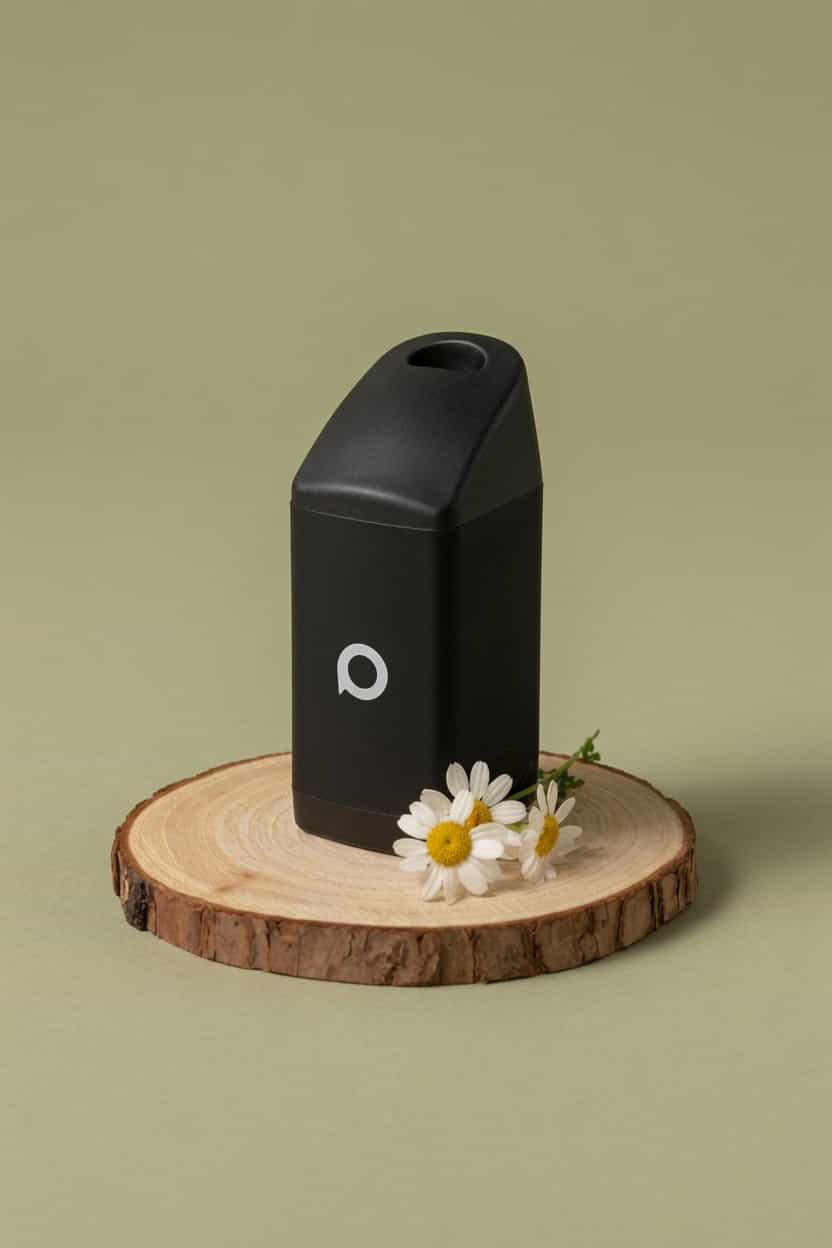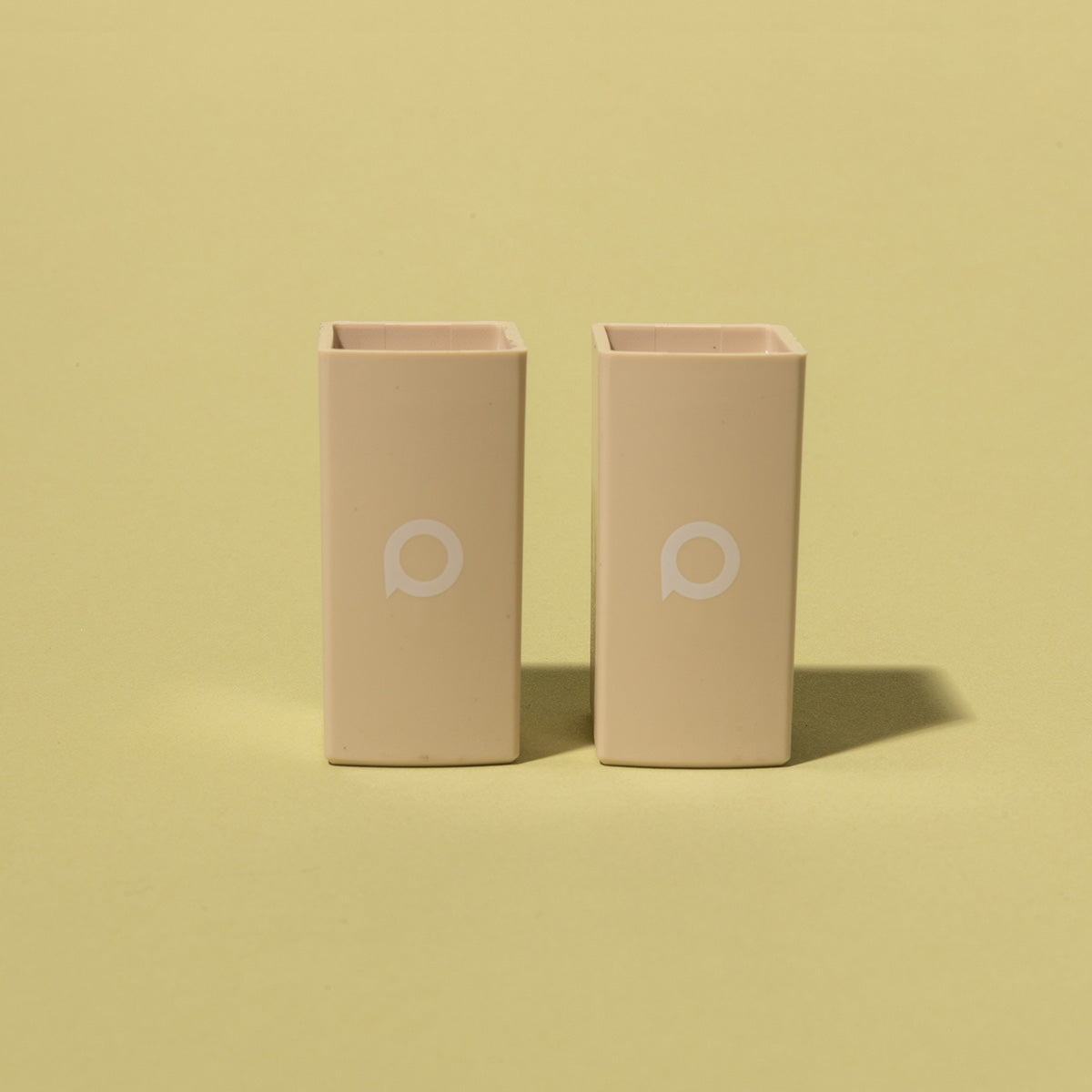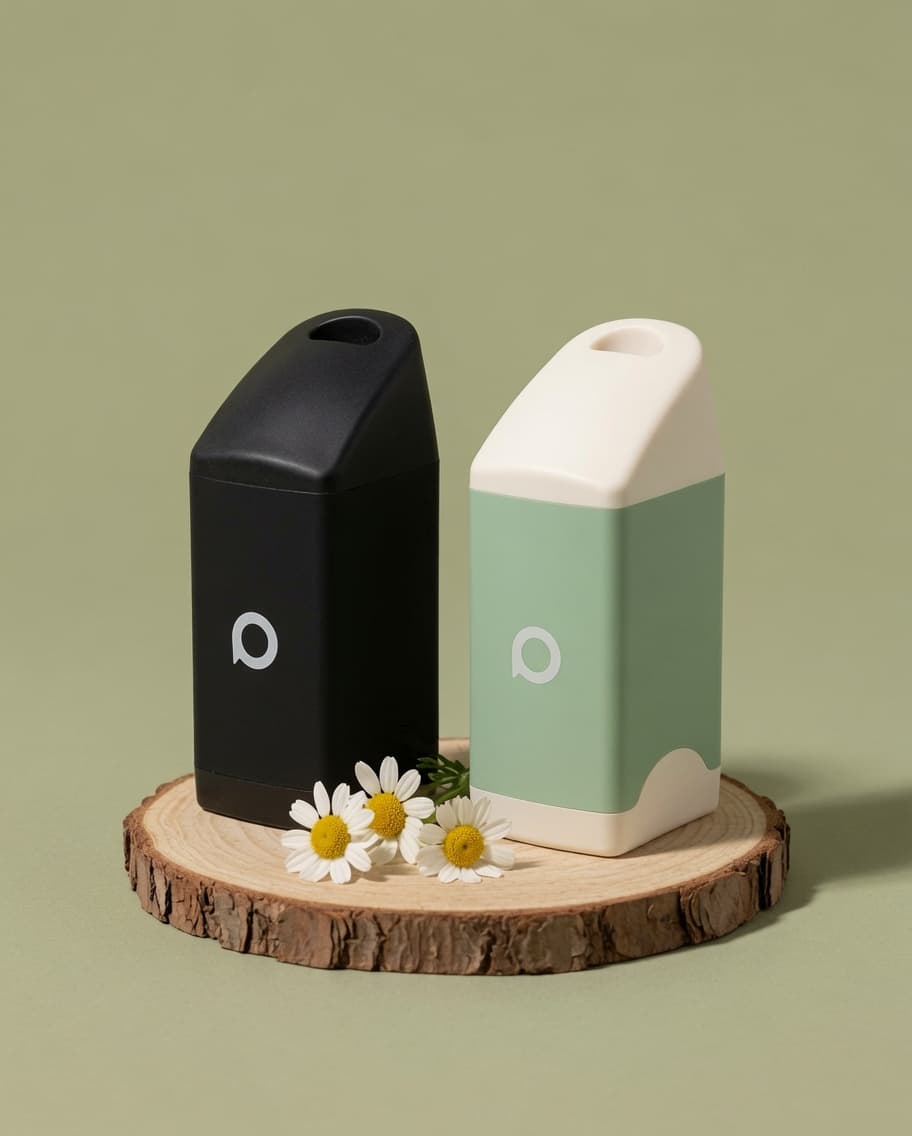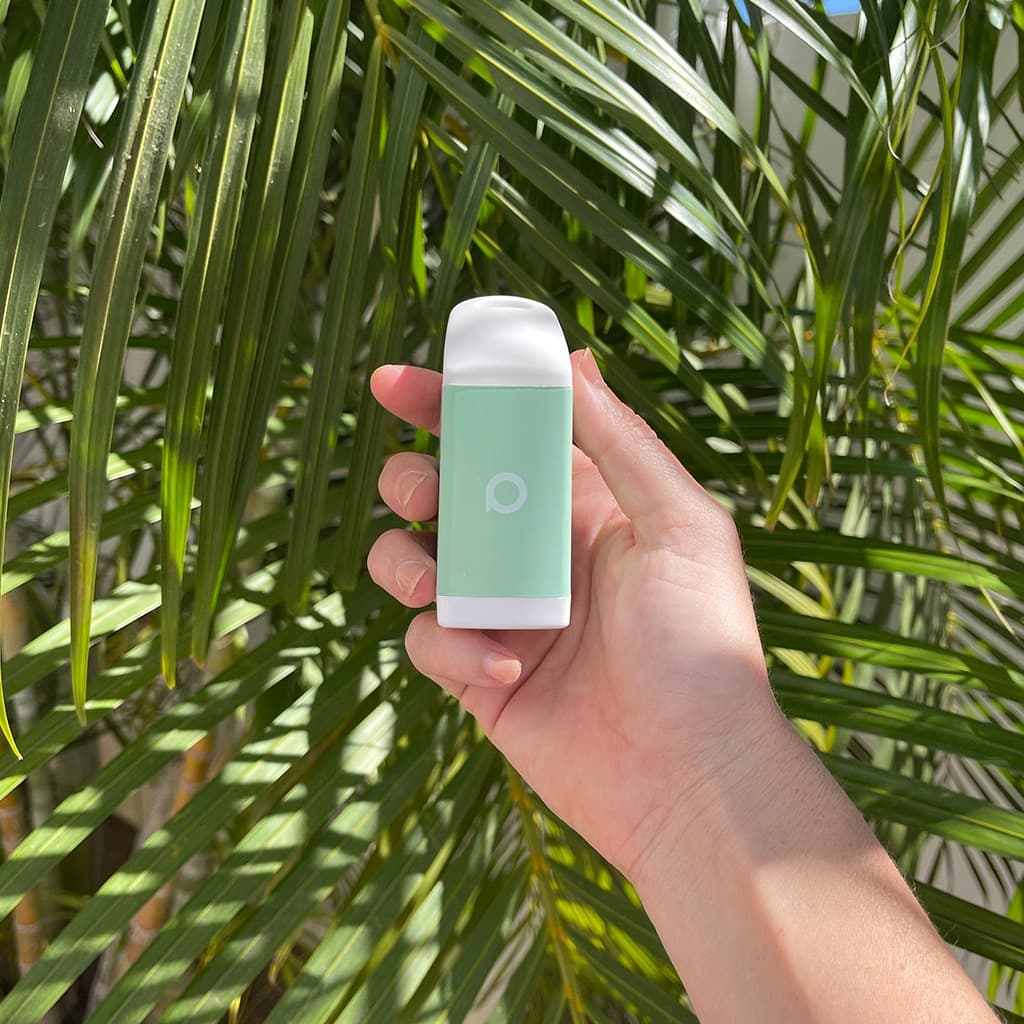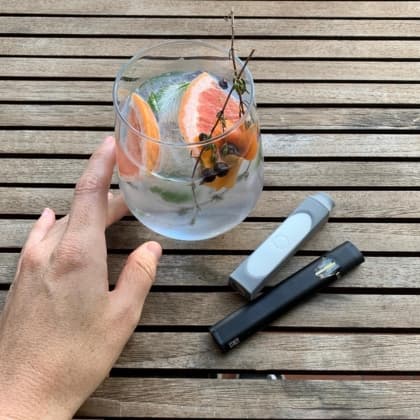
A personal smoke filter is a passive device that processes an exhale before it spreads through a room. You place the mouthpiece against your lips and breathe out through filter media designed to capture particles and reduce odor.
The basic airflow path
Every useful exhale filter has to balance capture and airflow.
- The mouthpiece forms a seal around the exhale.
- The air moves into a chamber that distributes pressure.
- Particulate media captures material carried by the airflow.
- Odor-control media adsorbs some odor-producing compounds.
- Filtered air exits the other side of the device.
If the media is too open, capture may suffer. If it is too dense or saturated, the filter becomes hard to exhale through.
Particulate filtration versus odor control
Smoke and aerosol contain a mixture of particles and gases. A single material does not handle every component equally.
Particulate layers are designed to trap material suspended in the airflow. Activated carbon provides a large internal surface that can hold some gas-phase and odor-producing compounds. Filter design, carbon quantity, residence time, humidity, and saturation all affect the result.
Odor returning does not always mean every layer failed at once. It can mean the odor-control media is reaching capacity, the seal is incomplete, or material is bypassing the device.
Why moisture matters
Every exhale contains moisture. Over time, moisture and captured material can increase resistance and reduce available filter capacity. Letting a reusable device dry in a ventilated place can help maintain airflow. Follow the manufacturer instructions and do not wash a cartridge unless the product specifically allows it.
What test numbers do and do not mean
A filtration percentage is incomplete without context. Ask:
- Which product and cartridge were tested?
- What particle size was used?
- What airflow and humidity were used?
- Was the filter new or partially used?
- Was odor measured, or only particles?
- Was the result an average, minimum, or single observation?
A laboratory capture result applies to material sent through the tested device under the stated conditions. It does not mean the product makes smoking safe, eliminates every chemical, or captures emissions that never enter the filter.
Personal filter versus room purifier
A personal filter works at the source of one exhale. A room purifier processes a larger volume of mixed room air. They solve different parts of the problem.
Source control can reduce what enters the room. Room filtration can address some material after it disperses. Neither replaces smoke-free rules or adequate ventilation.
The PHILTER design approach
PHILTER calls its internal system Zero-5. The product is built around staged media and an airflow path intended to balance capture, odor control, and exhale resistance.
PHREND, the reusable personal smoke filter, is the everyday format with replacement cartridges. POCKET is the compact format. The filter products are passive: they do not contain a battery, heating element, liquid, nicotine, or cannabis.
The useful limit
A personal smoke filter can reduce material in the exhale directed through it. It cannot capture smoke from the lit end of a product, clean an entire room, remove residue already on surfaces, or guarantee that nobody will notice an odor.
That limit should be part of the buying decision, not hidden in fine print.
Related reading: what a sploof is and how long personal smoke filters last.