The honest answer is that no method guarantees odor-free indoor smoking. The strongest approach is to follow your lease, use permitted outdoor areas, keep smoke away from doors and windows, and prevent the exhale from entering the room in the first place.
Check the rules before the gear
Read your lease and building policy. Smoke-free and vape-free rules can apply inside units, on balconies, near entrances, and in shared areas. A personal filter does not override those rules.
If you live with roommates, agree on boundaries directly. Decide what is allowed, where it is allowed, and what happens if odor becomes noticeable. A clear agreement prevents more conflict than any fragrance spray.
Understand where the odor comes from
Indoor odor can come from several sources:
- Smoke or aerosol in the exhale
- Smoke released directly from a burning product
- Ash, residue, and used material
- Clothing, upholstery, carpet, and curtains
- Open storage containers
- Air moving through hallways, vents, windows, and door gaps
An exhale filter addresses only the exhale directed through it. It cannot capture smoke rising directly from a lit product.
Use source control first
Stopping material before it enters the room is more effective than masking it later.
- Use only legal and permitted areas.
- Keep stored material in a sealed container.
- Direct the complete exhale through a personal smoke filter.
- Extinguish burning material fully and safely.
- Remove ash and waste promptly.
- Let reusable gear dry before sealing it in storage.
Do air purifiers remove smoke smell?
A room purifier may reduce some airborne particles and odors after they enter the room. Results depend on room size, airflow, filter type, carbon capacity, and maintenance. A purifier does not make an indoor smoking area safe.
The EPA notes that filtration and air cleaning can reduce substances from indoor marijuana smoke but are not likely to eliminate them. Smoke-free indoor space remains the most reliable way to prevent exposure.
Why fans and fragrance are not enough
A fan moves air. It does not necessarily remove particles or odor, and it can push them into another room or toward a neighbor. Fragrance changes what the room smells like but does not remove the source.
Opening a window may help exchange indoor air, but the exhaust can move toward another unit or back through a nearby opening. Follow building rules and keep smoke and aerosol away from shared air paths.
Where a personal smoke filter fits
A personal smoke filter is a source-control tool for the exhale. Place the mouthpiece against your lips and exhale steadily through the filter. Store it dry and replace the cartridge when airflow changes or odor returns.
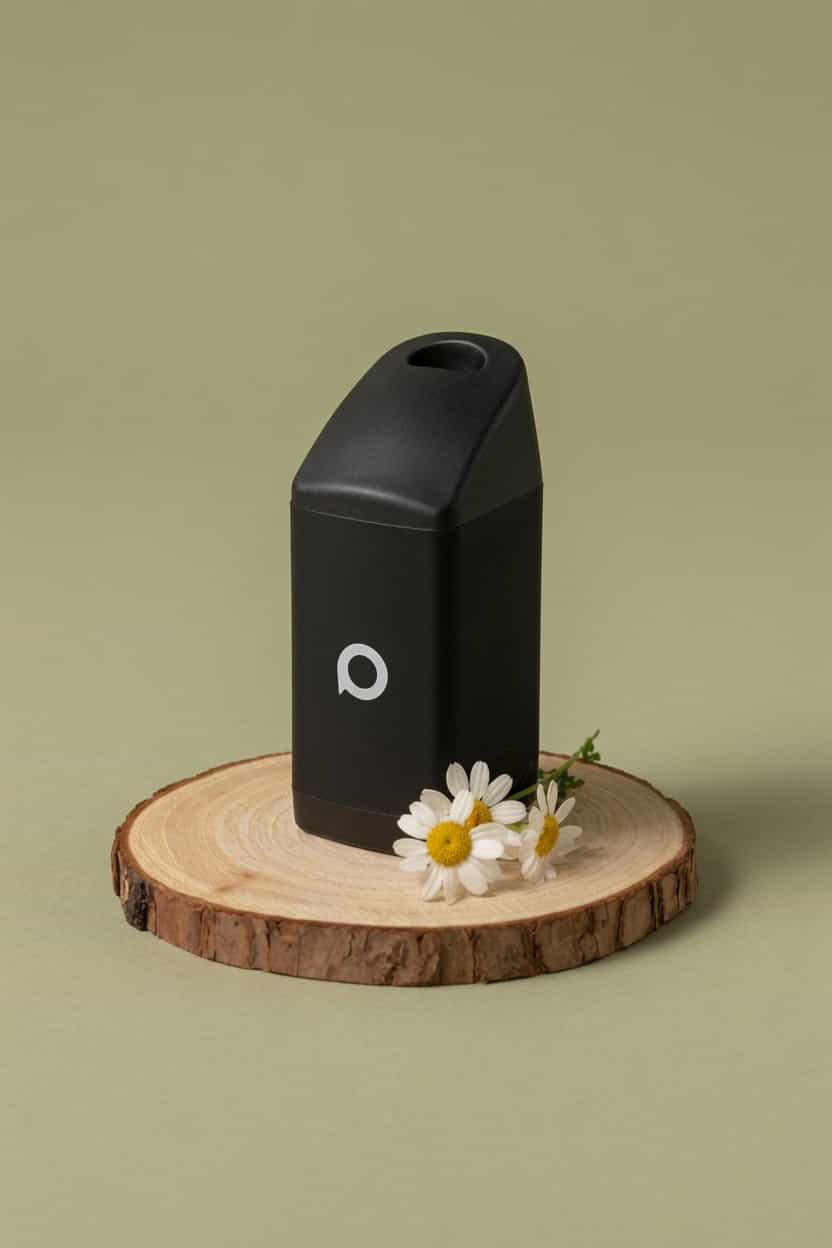
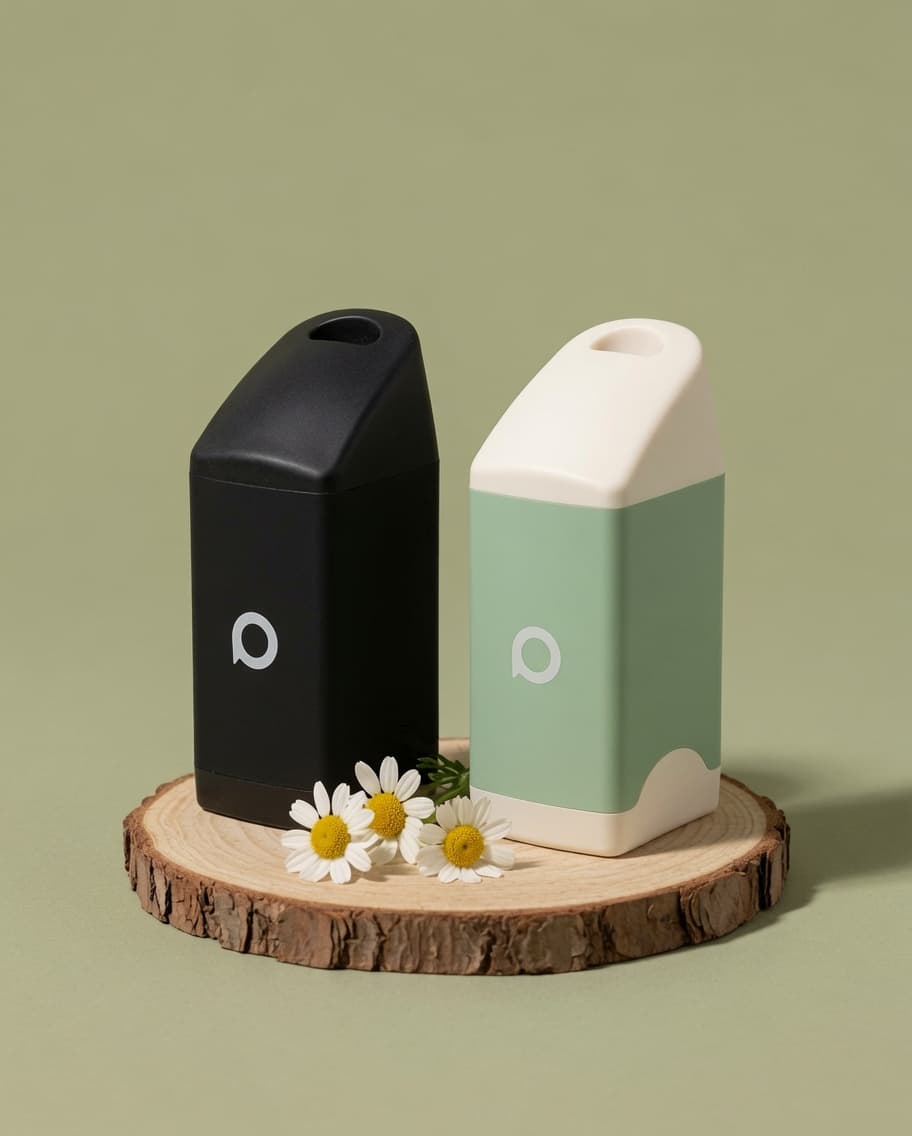
PHREND, a personal smoke filter with a replaceable cartridge, is designed for everyday use. POCKET is the smaller format. Neither product captures material that bypasses the filter.
How to talk to a roommate about smoke odor
Keep the conversation practical:
- Ask what they can smell and when.
- Agree on smoke-free rooms and shared areas.
- Do not dismiss headaches, asthma, pregnancy concerns, pets, or personal preferences.
- Follow the strictest relevant lease or building rule.
- Revisit the arrangement if odor continues.
Respect is the product. The filter is one tool that can help you deliver it.