To get weed smell out of a car, remove the source, air the interior out, clean hard surfaces, extract terpene residue from fabric and the headliner, and replace the cabin air filter if odor reached the vents. Cannabis odor clings to soft materials, so fragrance alone will not remove it.
Why cannabis odor lingers in a car
Weed smell behaves a little differently from cigarette smoke. The odor comes largely from terpenes, the oily aromatic compounds in cannabis. Terpenes are heavy and sticky, so they settle into fabric, foam, carpet, and headliner material and keep releasing scent for days.
A car makes this worse. The cabin is small, sealed, and full of soft surfaces. Heat from sitting in the sun drives the compounds deeper into upholstery, and the ventilation system can pull odor into ducts where cleaning is harder to reach. After a hotbox session, the residue is concentrated on every surface at once, not just near an ashtray.
That is why a quick spray never holds. You have to remove the residue, not cover it.
Start with the source
Clear out anything still carrying odor: ash, used material, open containers, spent packaging, and debris on the floor. Check under the seats, in door pockets, in cupholders, in the center console, and in the trunk. A small forgotten source can recontaminate a clean interior overnight.
Do not mix cleaning chemicals, and follow every product label. Keep the doors open and ventilate the vehicle while you work.
Air it out first
Before cleaning, open every door and let the car breathe for a while in a safe, dry spot. Fresh airflow removes the loose airborne odor so you are only fighting the residue that has actually bonded to surfaces. On a warm, low-humidity day this step alone takes the edge off. It will not finish the job, but it makes the rest more effective.
Clean hard surfaces
Terpene film settles on glass, the dashboard, door panels, the console, and trim. Use a cleaner approved for each surface with fresh microfiber cloths. Clean the inside of the windshield and windows carefully, because a greasy film there both holds odor and cuts visibility.
Avoid soaking electronics, switches, leather seams, or headliner adhesive.
Clean fabric, carpet, and the headliner
Soft surfaces hold the most cannabis odor. Vacuum the seats, carpet, floor mats, and the gaps around the seat rails first. Then use an upholstery product rated for the material and let everything dry completely. Moisture trapped in fabric or foam creates a new musty problem on top of the old one.
The headliner needs care. It sits at the top of the cabin where warm, odor-carrying air collects, so it often holds smell longer than the seats. It is also delicate. Aggressive scrubbing or saturation can separate it from the roof. Use the least moisture possible, work gently, or hand it to a professional detailer.
Check the ventilation system
If the smell is strongest right when the fan turns on, odor has reached the ventilation system. Inspect or replace the cabin air filter, following your vehicle manual for the location and procedure. After the interior is clean, run the fan on fresh outside air to clear the ducts.
Persistent odor inside the ductwork may need professional detailing. Avoid ozone treatments unless a professional is guiding the process, because ozone can harm people, pets, and vehicle materials.
A quick detailing checklist
Work in this order so you are not re-dirtying finished areas:
- Remove all sources and waste.
- Air the cabin out with the doors open.
- Vacuum carpet, seats, mats, and seat rails.
- Clean glass and hard surfaces with fresh microfiber.
- Treat fabric and the headliner, then let them dry fully.
- Replace the cabin air filter if odor reached the vents.
- Do a final airflow pass on fresh outside air.
What actually works and what only masks
Advice for weed smell in a car splits into removal and masking. Knowing the difference saves a weekend.
Actually removes odor: clearing the source, vacuuming and extracting residue from fabric, cleaning hard surfaces, replacing the cabin filter, and giving the interior time to dry with fresh airflow. Activated-carbon products can adsorb some airborne compounds while the real cleaning happens.
Only masks it: hanging fresheners, scent sprays, and scented wipes. They layer fragrance over terpene residue, and the mix usually reads as exactly what it is.
Somewhere in between: bowls of baking soda, charcoal, or coffee grounds left overnight absorb a little airborne odor but do nothing about residue in the seats and headliner that keeps re-releasing it. Treat them as a finishing touch, never the fix.
The cleaning logic here is the same one that works for tobacco smoke. For the general version of this process, see how to get smoke smell out of a car, and for odor beyond the car, see how to get rid of weed smell.
Prevent the smell from coming back
The most reliable prevention is keeping the vehicle smoke-free and vape-free. The EPA recommends avoiding smoking and vaping inside vehicles.
Where use is legal and permitted, filtering the exhale before it touches the cabin cuts down how much residue lands on your seats and headliner in the first place. An exhale-through personal smoke filter only treats what you exhale through it. It does not capture sidestream smoke drifting off a lit product, and it does not make smoking or vaping inside a vehicle safe or healthy.
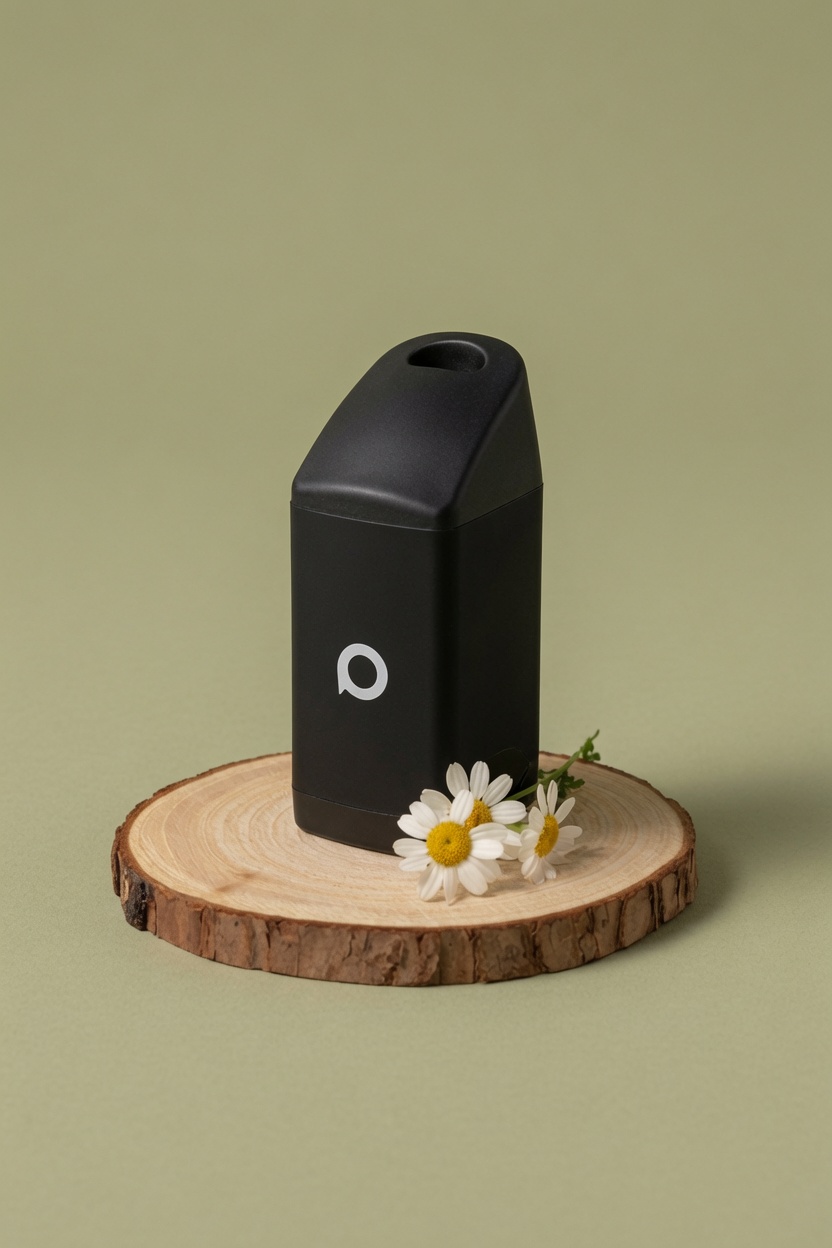
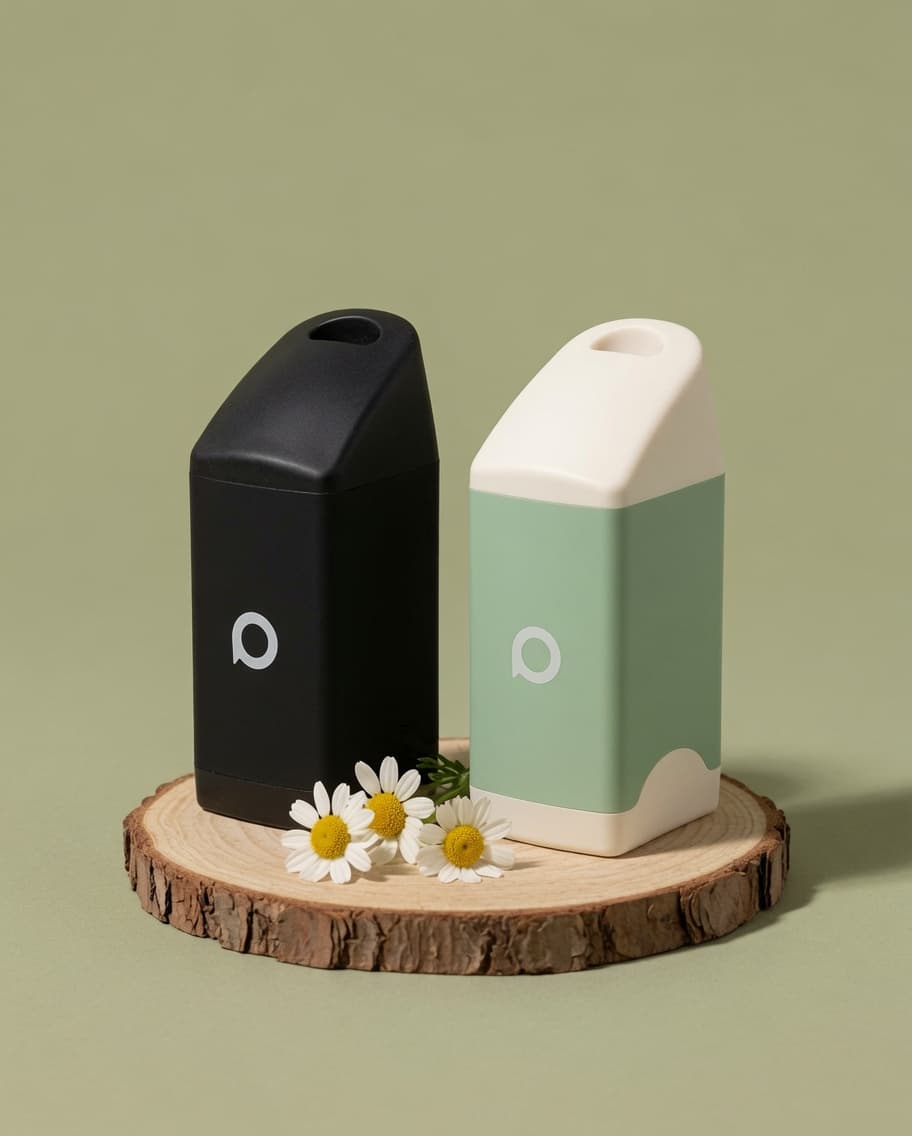
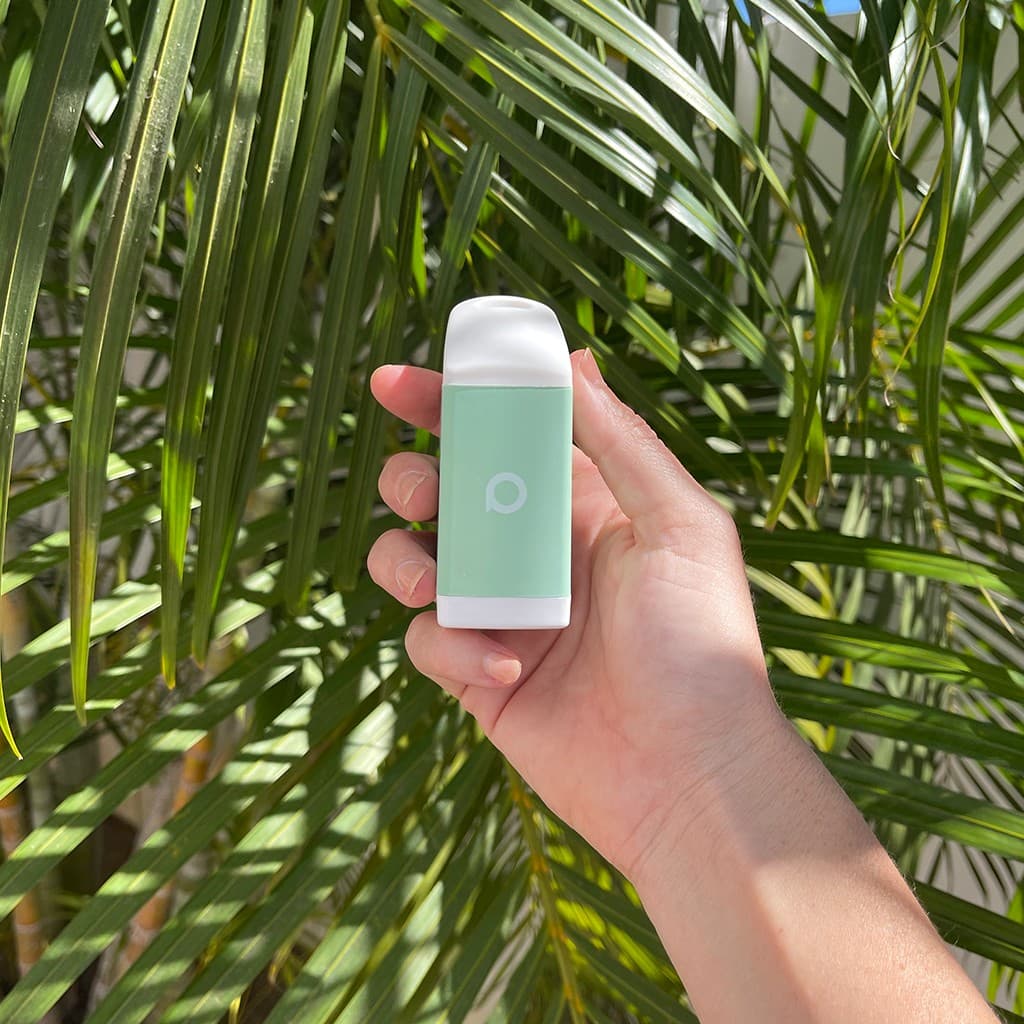
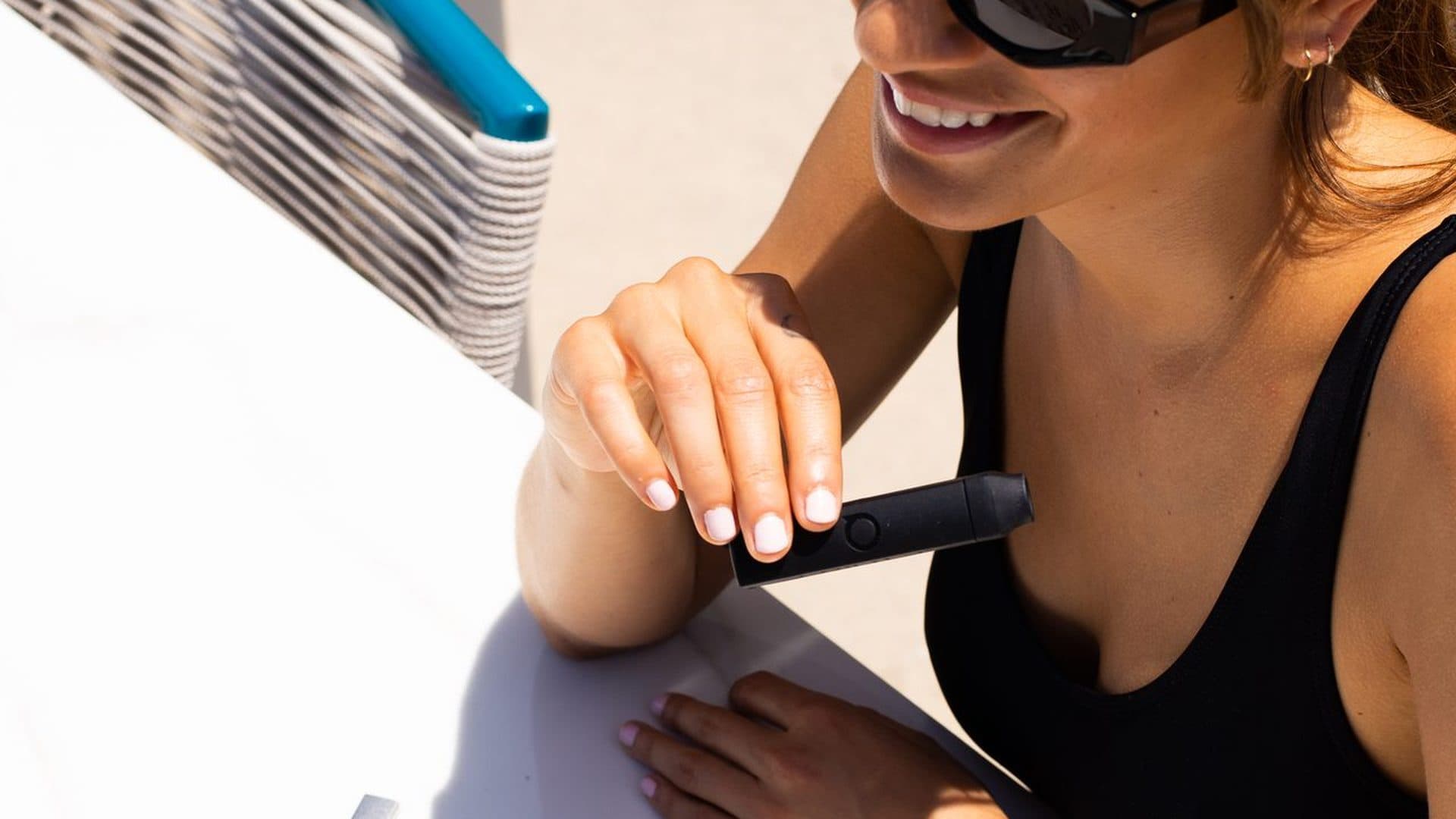
PHREND is the reusable everyday smoke filter built for this. You exhale through it, and its Zero-5 five-stage microfiltration removes 99.75% of harmful particulates in secondhand smoke, with a virtually invisible, low-odor output. Each cartridge is rated for up to 500 exhales, usage varies with exhale volume, and the cartridge is a biodegradable, plant-based polymer that decomposes in a landfill. To see how it works and how to swap cartridges, read meet your new best PHREND.
Keep storage sealed, remove waste promptly, and never leave a damp filter shut inside a hot car. The cleaning order still matters: source, air, surfaces, fabric, ventilation, then prevention.