To make a sploof, pack a cardboard tube with filter material, cover one open end, and exhale through it. The most common build uses a paper towel roll and dryer sheets. Activated carbon captures more than fragrance does. Every homemade version treats only part of an exhale, and none makes indoor smoking safe.
What a sploof actually does
A sploof is a handheld filter you exhale through. The material inside is meant to catch some of the particles and odor in your breath before they spread into a room. It works on the air you push through it and nothing else. If you want the longer explanation of the category, read what a sploof is and how one works first.
That limit matters before you build one. An exhale-through filter only treats what passes through it. It does not capture sidestream smoke drifting off a lit product, and it does not make smoking or vaping safe. A homemade sploof is a courtesy tool for reducing odor, not a health device.
The classic dryer sheet build
This is the version most people mean when they ask how to make a sploof. It is fast, cheap, and the weakest of the three.
You need:
- An empty paper towel or toilet paper tube.
- Four to six dryer sheets.
- A rubber band.
Steps:
- Loosely ball up one or two dryer sheets and push them into the tube. Do not pack them so tight that airflow stops.
- Fill the rest of the tube the same way, leaving a little room at each end.
- Stretch one flat dryer sheet over the exit end and hold it with the rubber band.
- Exhale slowly and completely through the open end.
What to expect: dryer sheets add fragrance, so the exhale smells like laundry instead of smoke for a short while. That is masking, not filtration. Fragrance covers odor without removing much of what carries it, so the effect fades fast and does little for visible output.
The activated carbon build
Activated carbon adsorbs some of the compounds that cause odor, so it does more real work than fragrance alone. This build takes a few more minutes and performs better.
You need:
- An empty tube.
- Loose activated carbon, sold for aquariums or planted terrariums.
- Cotton balls or a paper towel to hold the carbon in place.
- A rubber band and a thin cloth or paper towel for the cap.
Steps:
- Push a plug of cotton into one end of the tube so carbon cannot fall through.
- Pour in a layer of activated carbon, roughly one to two inches.
- Add another cotton plug on top so the carbon stays sandwiched and cannot reach your mouth.
- Cap the exit end with the cloth and rubber band.
- Exhale steadily through the mouth end. Never inhale through it, and keep the carbon fully contained.
What to expect: better odor capture than dryer sheets, though still uneven. Loose carbon settles and channels, moisture from your breath saturates it, and there is no seal around your lips, so some of every exhale escapes unfiltered.
The combined build
You can layer both: a carbon core with a dryer sheet over the exit for a fragrance finish. It is the best homemade result, and it is still an unmeasured stack of household materials. There is no rating, no consistent airflow, and no way to know how much any single exhale actually got filtered.
How long a homemade sploof lasts
Not long. A dryer sheet tube is usually spent within a handful of sessions: the scent fades, the sheets compress, and the moisture in your breath breaks the paper down. A carbon build lasts a little longer but saturates without warning, and once carbon is loaded it stops adsorbing whether or not it still smells fresh to you.
Because nothing about a DIY build is measured, you are guessing at the replacement point. Most people rebuild weekly or toss and remake the tube once the fragrance stops covering the smell. That is a recurring chore and a recurring cost in dryer sheets, carbon, and tubes.
When a rated filter beats rebuilding one every week
DIY makes sense if you want something disposable for a one-off. If you exhale through a filter regularly, the math turns against rebuilding a tube. A purpose-built personal smoke filter gives you three things a homemade sploof cannot: a mouthpiece that holds a real seal, so more of each exhale goes through the media instead of around it, consistent airflow, and a published service life you can plan around instead of guessing.
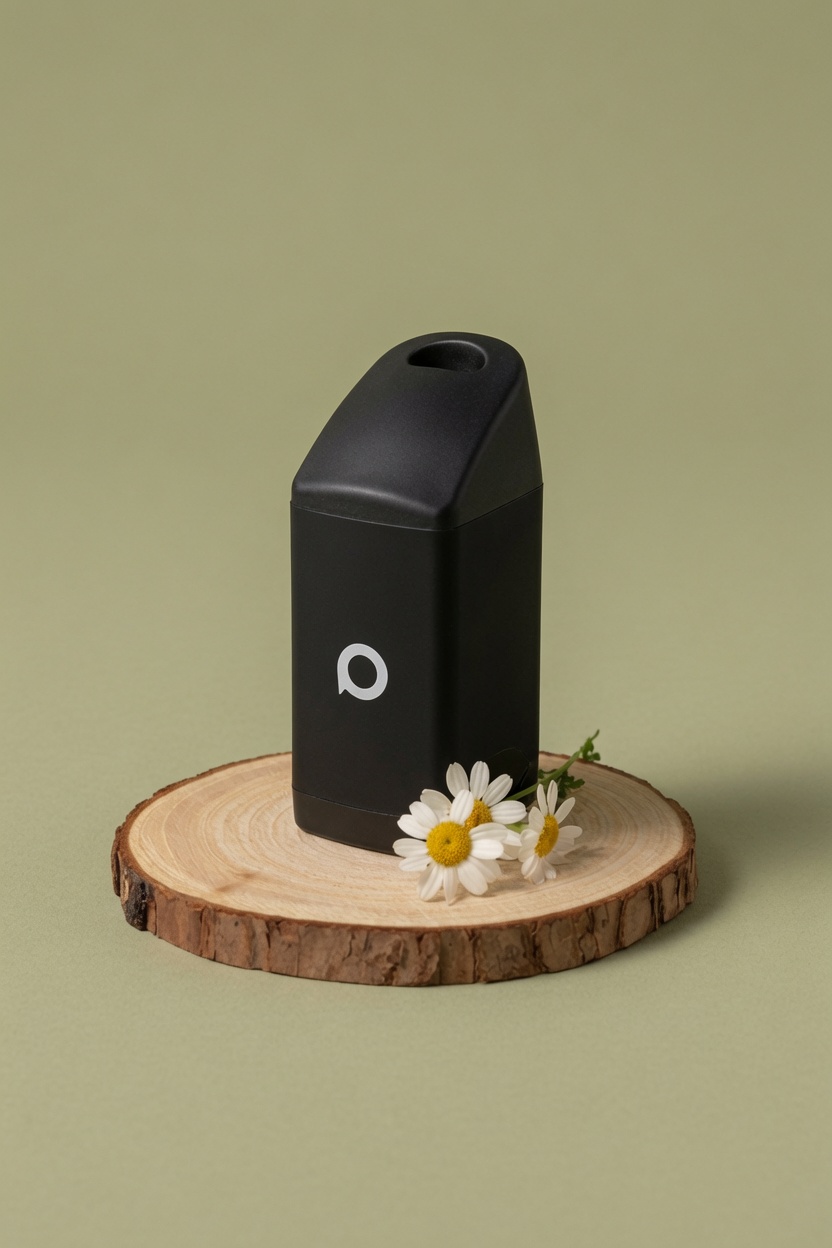
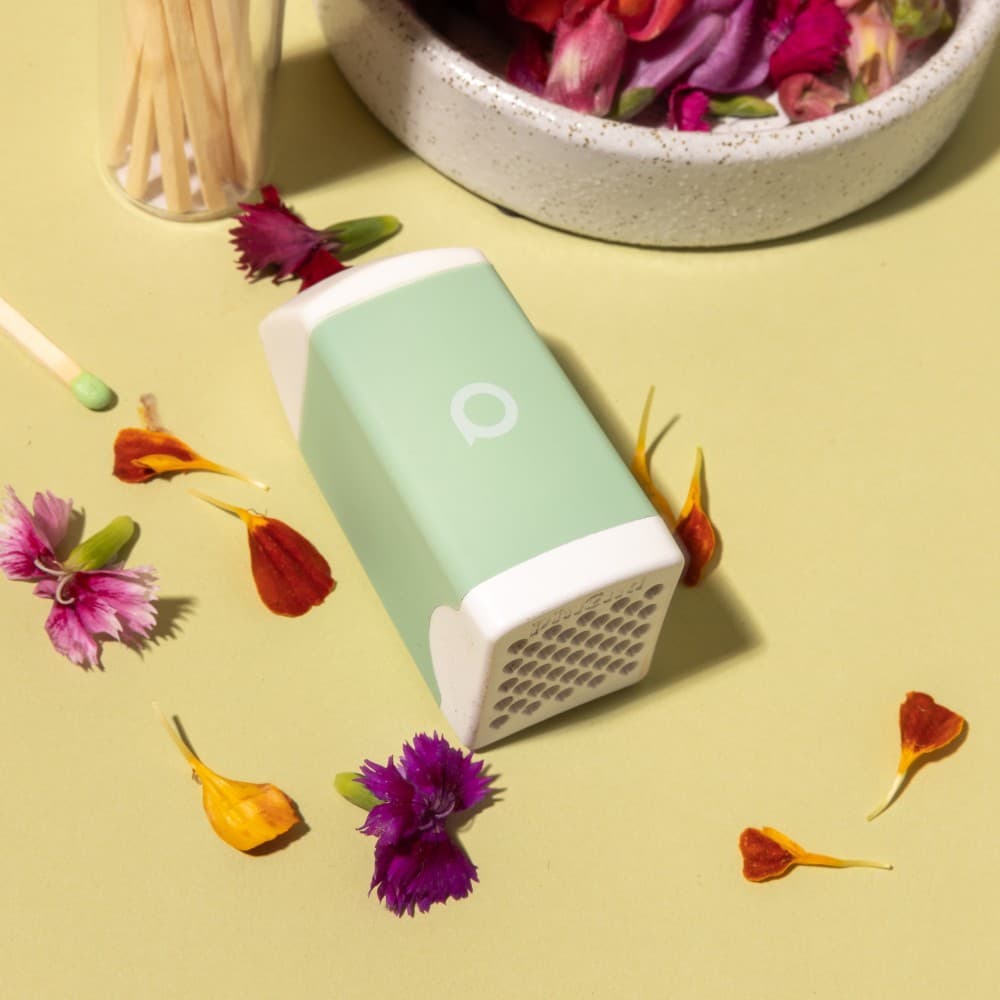
PHREND is the reusable version of the same idea. You exhale through the device, the cartridge captures material and reduces odor in that exhale, and PHILTER states it removes 99.75% of harmful particulates in secondhand smoke. Each cartridge is rated for up to 500 exhales under normal conditions, so one replacement cartridge covers what would be weeks of rebuilt tubes. The cartridges are made from a biodegradable, plant-based polymer that decomposes in a landfill, so you are not stacking up carbon-and-cardboard waste every week.
If you want to compare the two on running cost rather than the price of the first unit, how long a personal smoke filter lasts walks through cost per exhale, and choosing a smoke filter for weed covers what to look for when the exhale is resin-heavy.
The honest bottom line
A homemade sploof is a reasonable stopgap, and the carbon build is a genuine step up from dryer sheets. Just hold it to what it is: an unrated tube that treats part of one exhale and needs frequent remaking. It does not clean a room, it does not stop smoke coming off a lit product, and it does not make indoor smoking safe. If you reach for one often, a rated filter you replace on a known schedule will do the job more reliably and, over time, for less. Compare sploofs side by side.