To get smoke smell out of a house, remove every odor source, air the space out with cross-ventilation, clean soft surfaces and hard surfaces in that order, replace HVAC filters, and then deal with how new smoke enters the air. Fragrance and sealed windows only store the problem.
Why a house holds smoke smell
Smoke does not stay in the air. Within hours it settles into carpet, curtains, upholstery, and wall paint as residue, and that residue keeps releasing odor for weeks or years. This settled layer is often called third-hand smoke. It is why a house can smell like smoke long after anyone smoked in it, and why spraying the air never fixes the room.
Step 1: remove the sources
Empty and clean ashtrays, remove waste, wash or discard anything that carried smoke, and check forgotten spots: closet shelves, vents, the tops of cabinets, lampshades. As with a car, one leftover source keeps recontaminating everything you clean.
Step 2: flush the air
Open windows on opposite sides of the house to create cross-flow, and run exhaust fans in the kitchen and bathrooms. Airing out is cheap and surprisingly effective for what is still airborne. It does nothing for residue, which is why it is step two and not the whole plan.
Step 3: soft surfaces first
Fabric holds the most odor per square foot. Wash curtains, blankets, slipcovers, and cushion covers. Vacuum carpets and rugs slowly with a machine that has a working filter, then treat them with an upholstery-safe cleaner or rent an extractor for heavy cases. Mattresses and thick rugs in a smoker's room may need professional cleaning or replacement.
Step 4: hard surfaces, walls, and ceilings
Wipe walls, ceilings, trim, doors, and window glass with an appropriate cleaner. In a long-term smoking house, residue on walls can be heavy enough that washing is not enough; painters deal with this by cleaning, priming with a stain-blocking primer, and repainting. Do not mix cleaning chemicals, and ventilate while you work.
Step 5: the HVAC system
If the smell rides the airflow, the system is part of the problem. Replace furnace and air-handler filters, vacuum accessible vents and returns, and consider a duct inspection for a house with years of indoor smoking. Run the fan with fresh filters and open windows to push clean air through the loop.
What does not work
Candles, incense, wax melts, and sprays mask odor and add their own. Bowls of vinegar, coffee, or baking soda absorb a little airborne odor but cannot reach residue. Ozone generators are marketed for exactly this job and are risky around people, pets, and some materials; the EPA warns that ozone air cleaners can harm health and often fail to remove odor sources. Clean first. Mask never.
Keeping it out
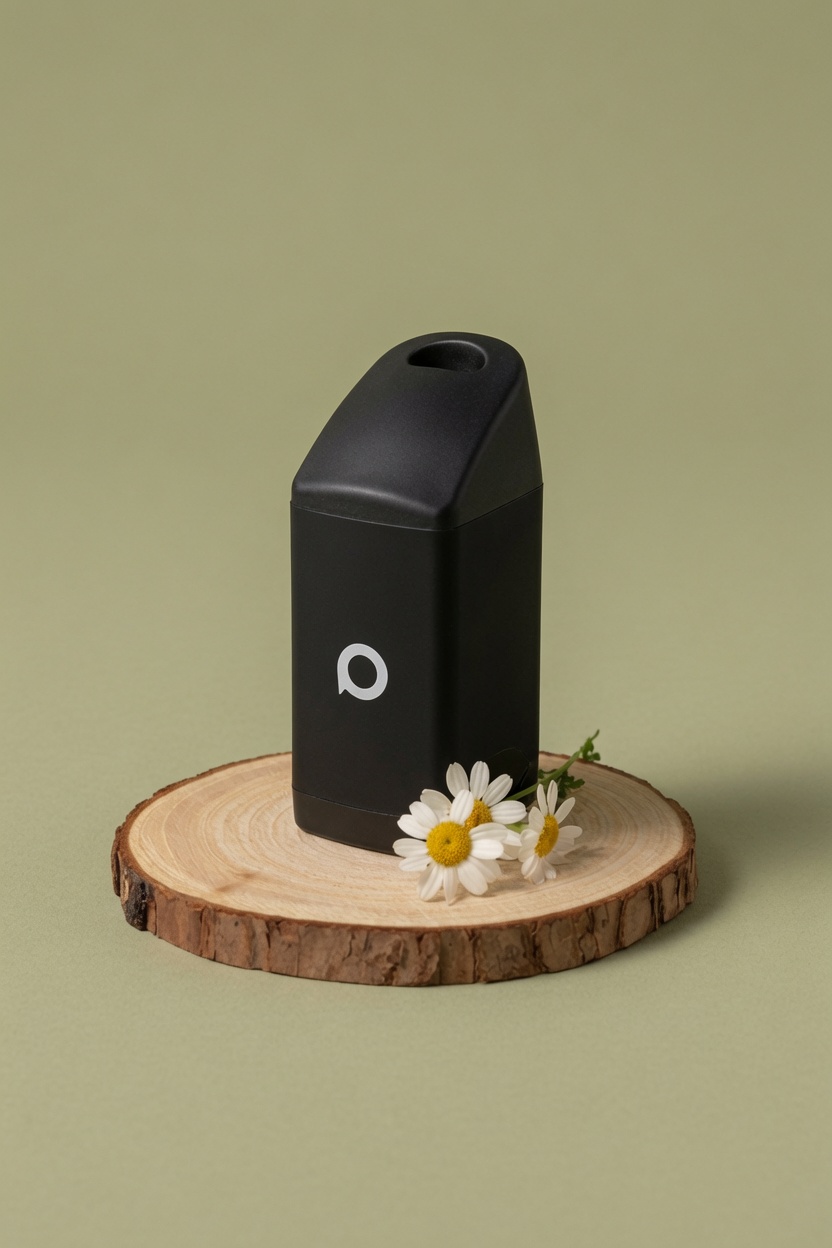
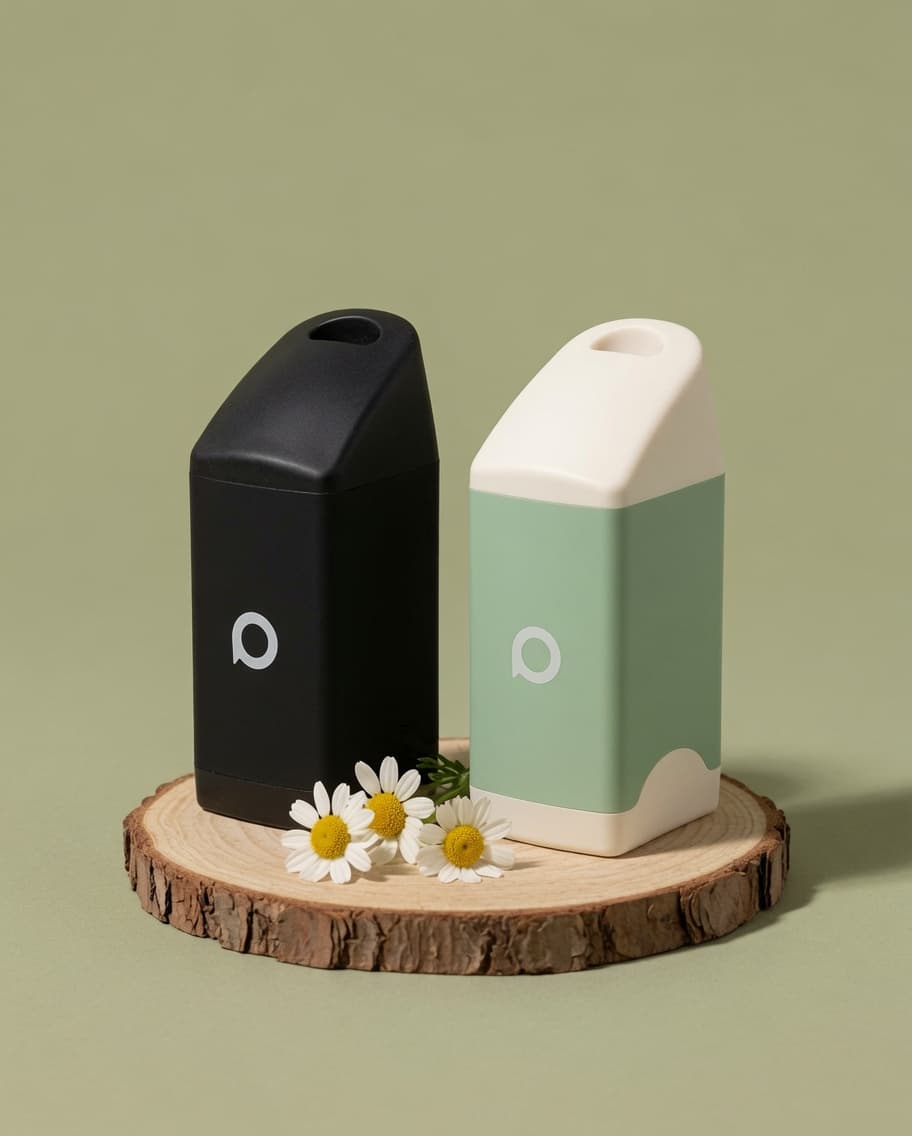
The reliable version is a smoke-free house. Where smoking or vaping happens anyway, and where it is legal and permitted, the highest-leverage habit is treating the exhale before it reaches the room: an exhale-through personal smoke filter reduces the material a single exhale releases into the air. It cannot capture smoke rising from a lit product, and it does not make indoor smoking safe. PHREND is the reusable everyday format with a replaceable, biodegradable cartridge.
Related guides: smoke smell in a car, smoking in an apartment without leaving odor everywhere, and how to get rid of weed smell.