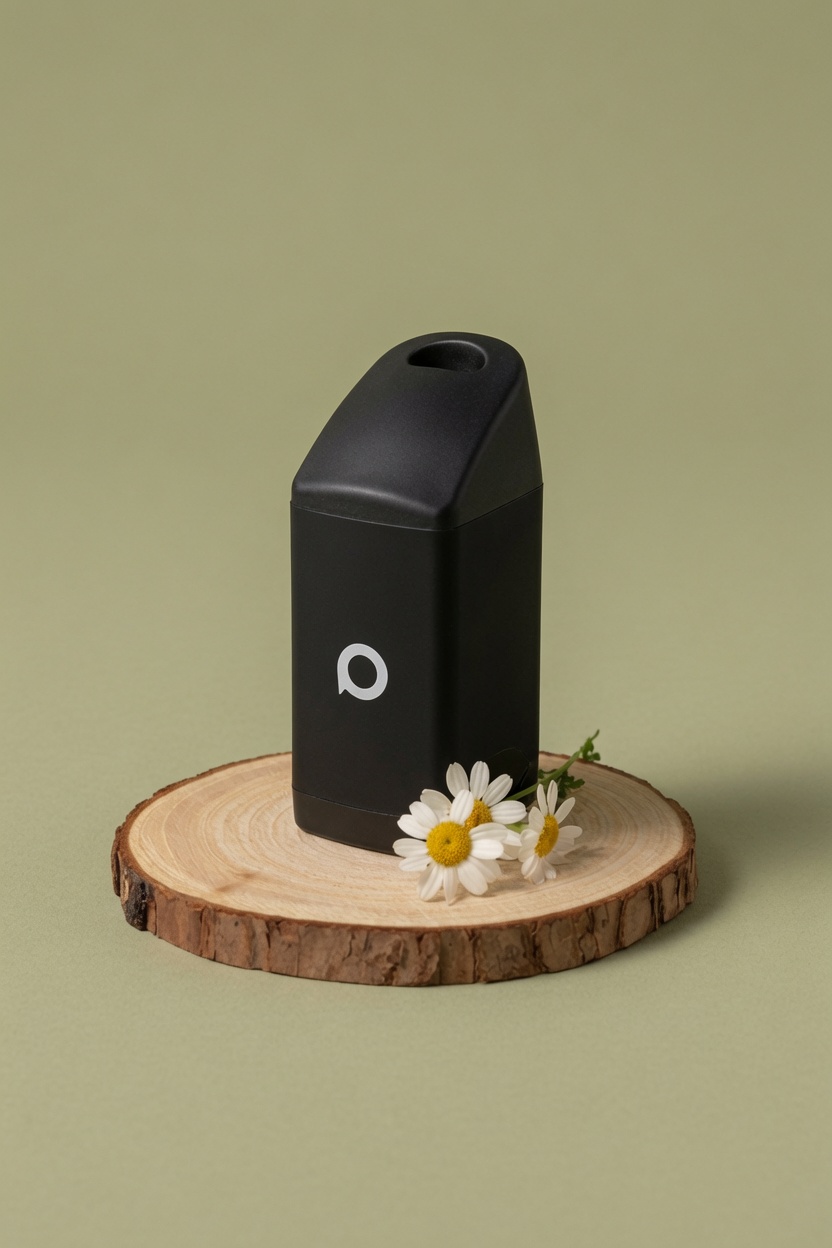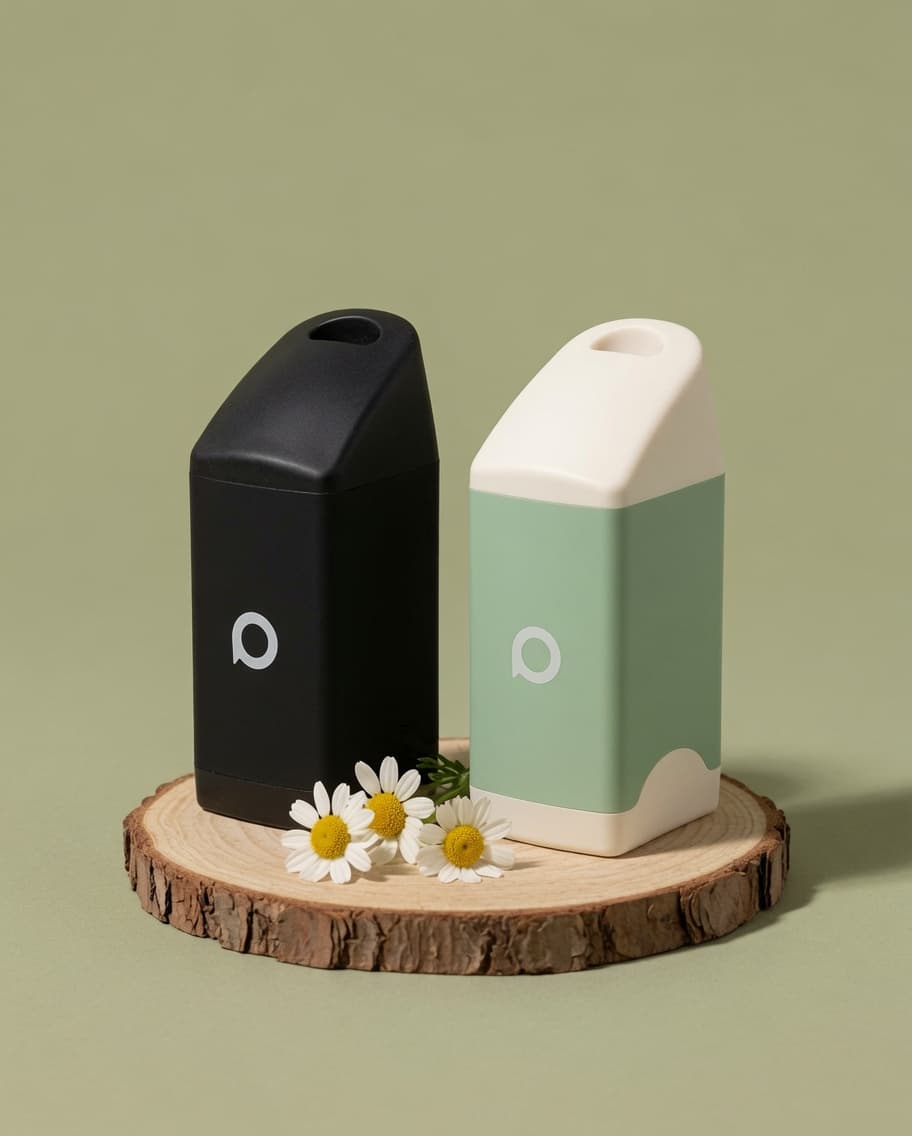
Smoke filters work by passing an exhale through layered media that captures particles and adsorbs some odor-producing compounds before the air leaves the device. A personal exhale filter treats only the air you breathe through it. PHILTER builds this staged approach into a five-stage system called Zero-5.
The job a personal smoke filter actually does
A personal smoke filter is a passive device. It has no battery, no heating element, and no liquid. You seal the mouthpiece against your lips and breathe out, and the media inside does the work as the air moves through it.
That single detail defines both the value and the limit. The filter only ever sees the air you send through it on purpose. It cannot reach across the room, and it cannot touch the smoke rising off the lit end of a product. Everything below is about making the most of the one thing an exhale filter can influence: the breath that passes through it.
The five stages of Zero-5
PHILTER calls its internal system Zero-5 because the exhale meets five stages on its way through the device. Each stage has one job, and they are ordered so that capture and airflow stay in balance. If any single stage is too dense, the filter becomes hard to breathe through; too open, and capture suffers.
Stage one: the seal and intake. The mouthpiece forms a seal around your exhale so the air enters the device instead of escaping around the edges. A good seal is the quiet foundation of everything that follows. Odor that leaks past the mouthpiece never gets filtered at all.
Stage two: the pressure chamber. Before the air hits the dense media, it moves into a chamber that spreads the pressure of the exhale across the full filter face. This keeps one part of the media from taking the entire load and helps the exhale feel smooth rather than forced.
Stage three: particulate capture. Here the airflow passes through media designed to trap the solid and liquid particles suspended in smoke and aerosol. This is the stage most people picture when they think of a filter, and it is where the visible part of an exhale is reduced.
Stage four: odor control. Smoke is a mixture of particles and gases, and a single material cannot handle both equally. This stage uses activated carbon, which offers a large internal surface that can adsorb some of the gas-phase and odor-producing compounds the particulate layer does not catch.
Stage five: diffused output. The filtered air exits through the far side of the device rather than in a single concentrated stream. The design goal across all five stages is a virtually invisible, low-odor output.
What each stage can and cannot capture
It helps to be precise about which stage addresses what.
- Particles are handled mostly at stage three. That includes the suspended material that makes an exhale visible.
- Odor is addressed mostly at stage four, and only partially. Activated carbon has a finite capacity, and its performance depends on carbon quantity, residence time, humidity, and how saturated it already is.
- Nothing in the device changes the air chemistry beyond what physical capture and adsorption can do. A filter does not neutralize every compound, and it does not sterilize anything.
Odor returning during use does not always mean the whole system failed. More often it means the carbon is reaching capacity, the seal was incomplete, or some material bypassed the media. That is a signal to check the seal or replace the cartridge, not proof the approach is broken.
Why moisture is part of the story
Every exhale carries moisture, and moisture matters to a filter's working life. Over time, water and captured material raise the resistance of the media and reduce the capacity that remains. Letting a reusable device dry in a ventilated place between uses can help preserve airflow. Follow the manufacturer instructions, and do not wash a cartridge unless the product specifically allows it. You can read more in our guide to how long personal smoke filters last.
What the test number means, and what it does not
PHILTER states that its filter removes 99.75% of harmful particulates in secondhand smoke. A capture percentage is a useful figure, but it is only meaningful with context. A laboratory result applies to the material sent through the tested device under the conditions of that test. It is a particulate measurement, not an odor measurement, and not a promise about every chemical present in smoke.
So read any filtration percentage, from any brand, with the same questions in mind: which product and cartridge, what was measured, and whether the filter was new or partly used. A number without those answers is marketing, not evidence. Our companion article on how personal smoke filters work walks through those questions in more detail.
The honest limit
This is the line that belongs on the label, not buried in fine print. An exhale-through filter only treats what you exhale through it. It does not capture the sidestream smoke that drifts off a lit product, and it does not make smoking or vaping safe. A personal smoke filter is not a health device. It is a tool for reducing the visible output and odor in the one exhale you direct through it, and nothing more.
Understanding that limit is what makes the five stages useful. Source control at the exhale can reduce what enters a room in the first place, which is a real and practical benefit. It is not a substitute for ventilation, smoke-free rules, or good judgment about where and when you use a product.
Where Zero-5 lives
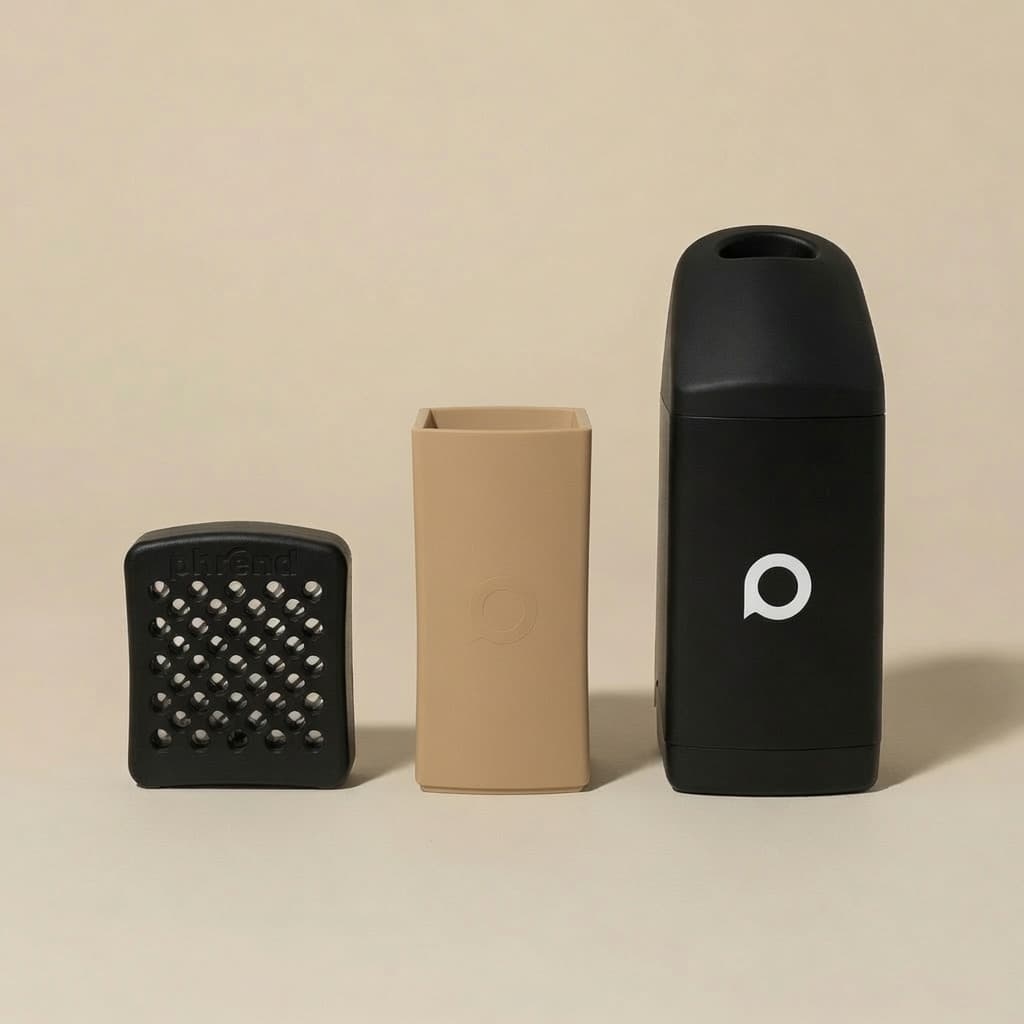
The Zero-5 system is built into PHREND, PHILTER's reusable personal smoke filter. The outer body stays in use while you replace the internal cartridge, which is rated for up to 500 exhales and molded from a biodegradable, plant-based polymer that decomposes in a landfill. If you want to see the full lineup, including refills and bundles, browse the PHILTER store.
The staging is the point. Five ordered steps, each doing one job, honest about the single thing an exhale filter can control. That is how a smoke filter works, and it is how we would want it explained to us.