To remove cigarette smell from a room fast, open windows for cross-ventilation, remove every odor source, wipe hard surfaces, and run a fan to push air out. This cuts airborne smell in about 30 minutes. Odor soaked into fabric, walls, and carpet needs deeper cleaning and time.
What instantly can and cannot mean
Search results promise instant results, so it helps to be clear about what is physically happening. Cigarette smell comes from two places: smoke still floating in the air, and residue that has settled onto surfaces and soft goods. The airborne part clears quickly once you ventilate. The settled part, sometimes called third-hand smoke, keeps releasing odor for days or weeks until you actually clean it.
So instantly is realistic for the air in the room. It is not realistic for a couch, a rug, or a painted wall that has absorbed months of smoke. Anyone selling you a five-minute permanent fix is selling fragrance, and fragrance layered over residue reads as smoke plus perfume. Below are three honest protocols by how much time you have.
The 30-minute protocol
Use this when someone is coming over or you just need the air breathable now.
- Remove the source. Empty and rinse ashtrays, take out the trash, and move anything holding smoke, such as clothing or a blanket, out of the room.
- Open two windows on opposite sides if you can. Cross-ventilation moves far more air than one open window.
- Put a box fan in one window facing outward. This pulls smoky air out and pulls fresh air in through the other opening.
- Wipe the hard surfaces smoke touches most: the table, windowsills, and any glass. A little residue on these keeps feeding the smell.
- Run the fan for the full half hour. Airing out is the single most effective fast step, and it costs nothing.
Skip scented sprays at this stage. They do not remove anything, and once the air clears you may not need them at all.
The overnight protocol
Use this when the smell is in the room itself, not just the last cigarette.
Start with everything above, then go after the soft surfaces that store odor. Wash curtains, throw blankets, and cushion covers if they are washable. Vacuum the carpet, the couch, and the gaps along baseboards where dust and residue collect.
Sprinkle baking soda on carpet and upholstered furniture, leave it overnight, then vacuum it up in the morning. Baking soda absorbs a modest amount of settled odor. It is a finishing step, not a substitute for cleaning, but it helps.
Leave a window cracked overnight if the weather and your safety allow it. A slow air exchange while you sleep does real work. In the morning the room should smell markedly better. If it does not, the residue is deeper than surface level, which points to the permanent fix.
The permanent fix for a heavily smoked-in room
When a room has been smoked in regularly, odor is in the paint, the carpet fibers, and sometimes the HVAC system. No amount of airing out clears that, because the surfaces keep re-releasing it. This is remediation, not a quick clean.
Wash the walls and ceiling with a cleaner rated for the surface, working top to bottom. In rooms with years of buildup, a stain-blocking primer before repainting is often what finally seals the smell in. Steam clean or professionally extract the carpet and upholstery. Replace the HVAC or furnace filter, since smoke pulled into the ventilation system spreads odor to every room and a loaded filter keeps circulating it. For a whole-home version of this, see how to get smoke smell out of a house.
Set expectations by severity. A few recent cigarettes clear with one airing-out pass. A room smoked in for months means a weekend of cleaning, a filter change, and possibly fresh paint. If odor survives two full cleaning passes, remediation specialists deal with exactly this every week.
Do not rely on fragrance
Plug-in scents, sprays, and scented candles change the smell without removing residue. They can create a heavier mixed odor and they wear off in hours because the source is untouched. Clean first. If you still want a light scent afterward, use a mild one, sparingly.
Activated-carbon odor absorbers sit somewhere in between. They can adsorb some airborne odor compounds while the real cleaning happens, but they do nothing for residue baked into the couch. Treat them as a helper, never the fix.
Prevent the smell from coming back
The most reliable prevention is keeping smoke out of the room. The EPA notes that ventilation and air cleaning alone do not eliminate secondhand smoke exposure, which is why cleaning the same room repeatedly rarely ends the cycle for indoor smokers.
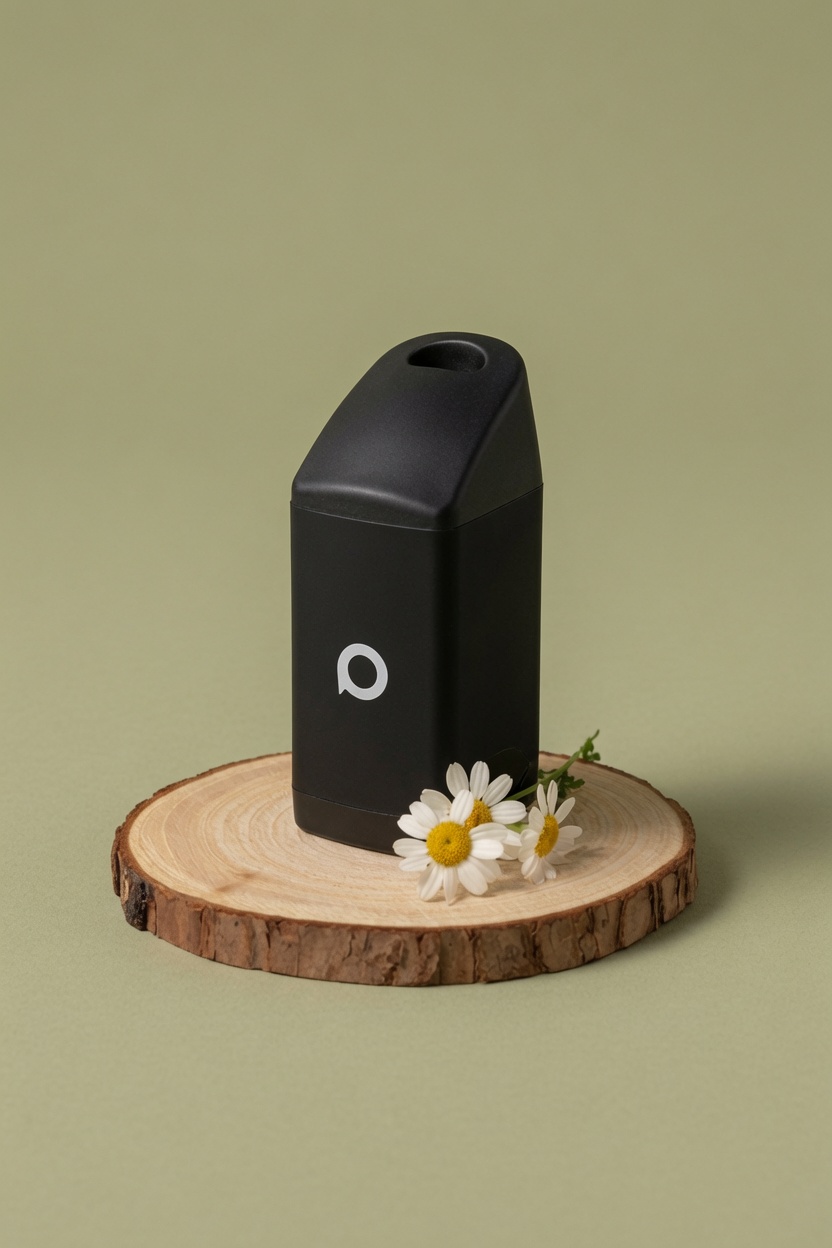
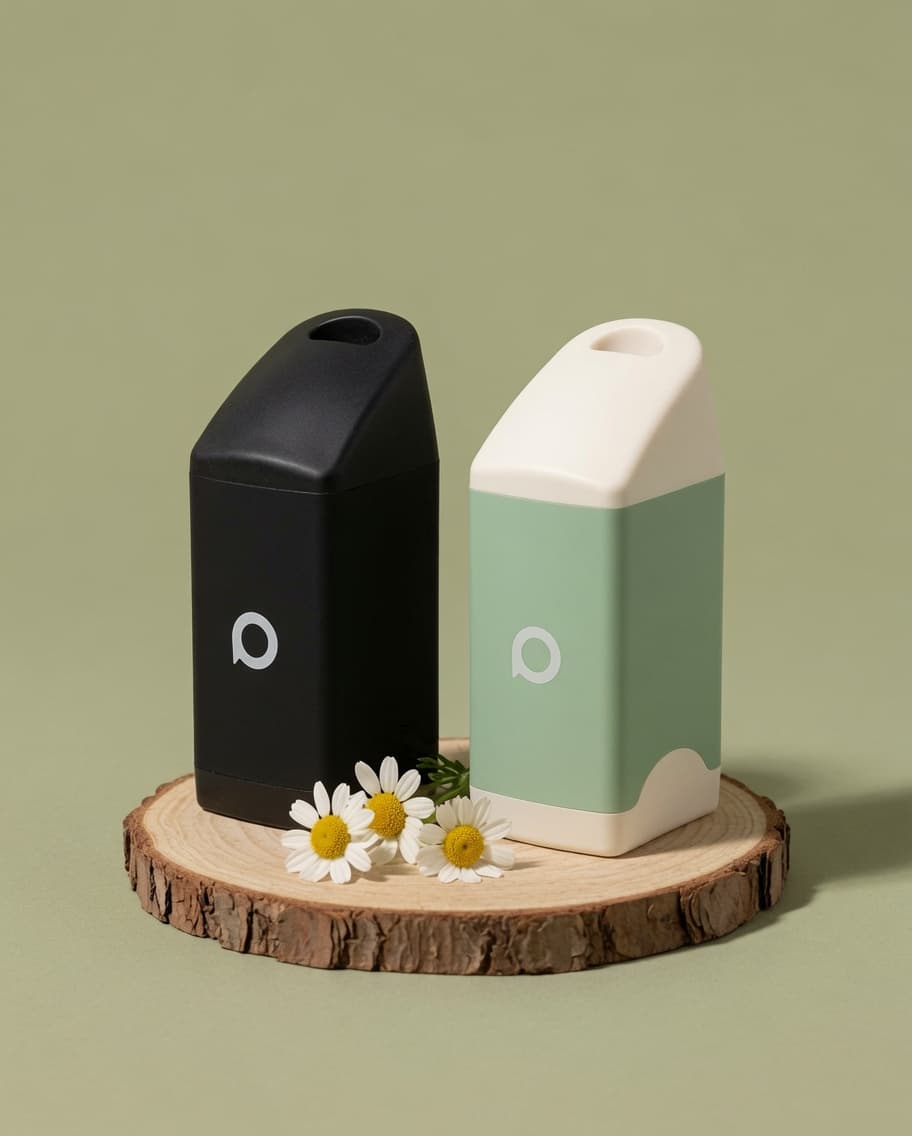
Where smoking is your choice and permitted, you can reduce how much odor lands in the room in the first place by filtering the exhale. An exhale-through personal smoke filter captures part of the material in the air you breathe out before it spreads. PHREND removes 99.75% of harmful particulates in secondhand smoke and gives a virtually invisible, low-odor output, with a cartridge rated for up to 500 exhales.
Be clear about the limits. An exhale-through filter only treats what you exhale through it. It does not capture sidestream smoke from a lit cigarette, and it does not make smoking safe or turn a personal smoke filter into a health device. What it does is keep a large share of the exhaled smell out of the room, so you are not re-cleaning the same space every few days. For renters weighing this alongside airflow and courtesy, see how to smoke in an apartment without the smell.
The reusable PHREND is the everyday format, and POCKET is the smaller one. Fix the room today with ventilation and cleaning, and prevent the next round by filtering the exhale at the source.
The order that works: source, air, surfaces, fabric, then prevention.